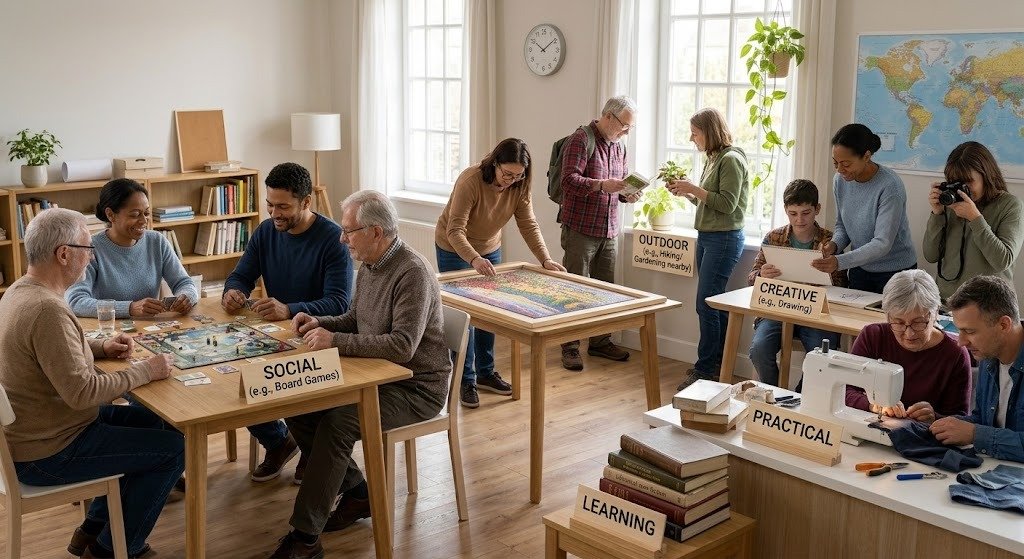

People enjoy different activities in their free time. Some prefer reading or drawing while others enjoy sports, cooking , gardening or social activities. With so many options available, choosing a hobby that suits your lifestyle can be difficult.
Different hobbies offer opportunities to explore interests, practice skills and enjoy leisure time. Some require special equipment while others cost little or nothing.
This guide covers popular hobby categories, affordable options and practical tips to help you choose an activity that matches your interests schedule and budget.
What Are the Different Types of Hobbies?
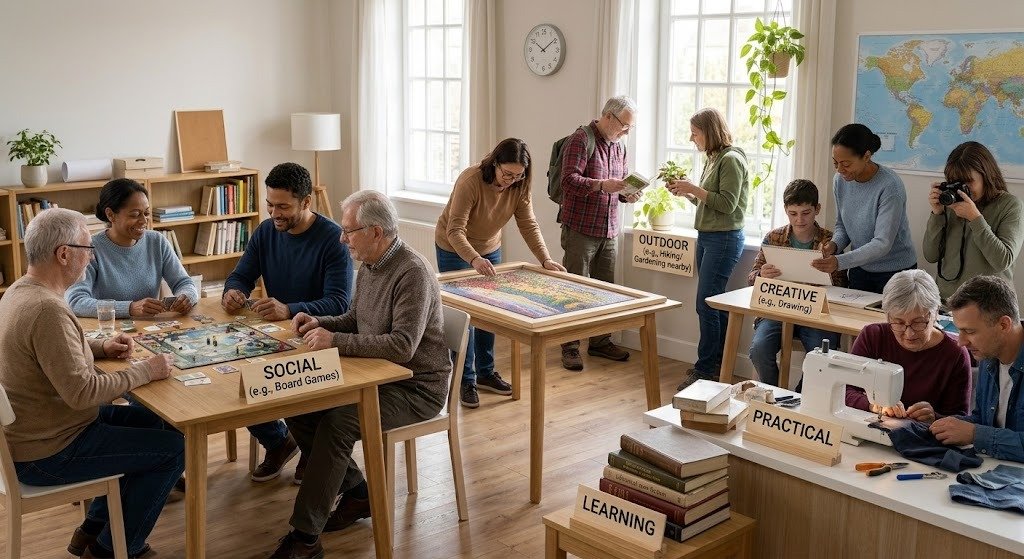
Different hobbies are activities people choose to enjoy, explore interests or develop skills during their free time. They include creative arts, physical activities, learning outdoor experiences, social activities and practical projects.
For example gardening combines outdoor exploration with creativity while dancing involves movement and music. The best starting point is to consider what you enjoy and what fits your circumstances.
Creative Hobbies
Creative hobbies let people express ideas and make things using different materials or techniques.
Examples include:
- Drawing and painting
- Photography
- Creative writing and poetry
- Knitting and embroidery
- Calligraphy
- Scrapbooking
- Handmade crafts
- Playing a musical instrument
- Graphic design
How to start: Try a small project such as sketching an object, writing a short story or taking photographs with your phone. Basic supplies are often enough to begin.
You do not need to sell your creations or become an expert to enjoy a creative hobby.
Physical and Sports Hobbies
Physical hobbies involve movement coordination or recreational sports. They can be individual or group activities.
Popular examples include:
- Walking and cycling
- Swimming
- Dancing
- Yoga and stretching
- Badminton and table tennis
- Football and basketball
- Recreational hiking
- Tennis
- Beginner friendly fitness classes
Some activities require specialist equipment or membership fees while others need little preparation.
How to start: Choose an activity that suits your interests and abilities. Begin at a comfortable pace and use appropriate safety equipment when needed. Competition is optional; you can simply enjoy participating.
Intellectual and Learning Hobbies
Learning hobbies suit people who enjoy reading, solving problems or exploring new subjects.
Examples include:
- Reading fiction or nonfiction
- Learning a language
- Chess and board games
- Crossword puzzles
- Astronomy and stargazing
- History and geography
- Basic coding
- Researching personal interests
- Practicing a musical instrument
How to start: Choose a topic that interests you and set a small goal such as reading one chapter or learning a few new words. You can explore independently or join a group to share your interest.
Outdoor and Nature Hobbies
Outdoor hobbies encourage people to explore their surroundings and spend time in natural environments.
Examples include:
- Gardening and growing herbs
- Birdwatching
- Nature photography
- Walking in parks
- Identifying local plants
- Stargazing
- Outdoor sketching
- Nature journaling
- Visiting botanical gardens
- Community cleanups
Many outdoor hobbies require little equipment. You can start gardening with a small pot or explore photography with a phone.
Choose activities suitable for your location, check local conditions and respect wildlife and public spaces.
Indoor Hobbies
Indoor hobbies are useful when you prefer staying home or need activities that fit around study and work.
Options include:
- Reading and journaling
- Cooking and baking
- Drawing and painting
- Puzzles and board games
- Sewing and embroidery
- Learning a language
- Playing an instrument
- Home organization projects
- Simple crafts
Some activities need almost no equipment while others require materials or dedicated space.
How to start: Use what you already have at home. Try an activity before spending money on additional supplies.
Social and Community Hobbies
Social hobbies bring people together through shared interests and activities.
Examples include:
- Book clubs
- Board game groups
- Team sports
- Group dance classes
- Choirs and music groups
- Language exchange sessions
- Volunteering
- Community gardening
- Art workshops
- Group walks
These activities provide opportunities to meet people and share experiences. Volunteering can also combine a personal interest with community involvement.
The National Institute on Aging discusses volunteering and social activities as ways to remain engaged particularly among older adults.
How to start: Explore beginner friendly groups at libraries, community centers, schools or established local organizations. Check schedules and fees before joining.
Practical and DIY Hobbies
Practical hobbies involve making, repairing or improving things. They can suit people who enjoy hands-on projects.
Examples include:
- Cooking new recipes
- Baking bread
- Sewing and repairing clothes
- Upcycling household items
- Handmade gifts
- Indoor plant care
- Home décor projects
- Model building
- Basic digital design
How to start: Choose a manageable project such as preparing a new recipe, repairing a button or decorating a notebook. Follow safety instructions and seek appropriate help with unfamiliar tools.
Digital and Technology Hobbies
Digital hobbies use computers or phones for creativity, learning and entertainment.
Examples include:
- Digital illustration
- Photo and video editing
- Website design
- Beginner coding
- Digital journaling
- Creating presentations
- Animation basics
- Writing a personal blog
These activities can help you practice useful skills but they do not need to become career projects.
How to start: Pick one beginner project and use an accessible learning resource. Protect personal information and check privacy settings when publishing online.
Food and Cooking Hobbies
Food related hobbies combine creativity with practical skills.
Examples include:
- Baking cookies or cakes
- Making homemade bread
- Decorating cupcakes
- Exploring vegetarian recipes
- Preparing meals from different cuisines
- Food photography
- Planning simple menus
- Growing herbs for cooking
Start with a familiar recipe and gradually try new ingredients or techniques. Choose activities that match your budget and equipment and follow food safety guidance.
Collecting and Organizing Hobbies
Collecting hobbies involve finding, preserving, arranging or researching items that interest you.
Examples include:
- Stamps and coins
- Books and postcards
- Art prints
- Family photographs
- Music or film collections
- Family history research
- Scrapbooking
- Themed collections of inexpensive objects
A collection does not need to be rare or valuable to be enjoyable.
Which Hobbies Are Best for Different Needs?
The right hobby depends on your interests, available time budget and preferred setting.
| Your goal | Hobbies to consider | Possible starting cost |
| Express creativity | Drawing writing photography | Low with existing supplies |
| Learn something new | Reading language learning chess | Free to low |
| Explore outdoors | Walking gardening nature journaling | Free to moderate |
| Meet people | Book clubs sports volunteering | Free to moderate |
| Make useful things | Cooking sewing DIY crafts | Low to moderate |
| Explore technology | Digital art coding photo editing | Free to moderate |
| Enjoy quiet time | Puzzles reading journaling | Free to low |
| Enjoy movement | Walking dancing sports | Free to moderate |
Costs vary depending on equipment location classes and available free resources.
How Do You Choose the Right Hobby?
Choosing a hobby becomes easier when you focus on your preferences rather than popularity.
Identify What You Enjoy
Think about whether you like creating things, learning , solving problems, moving around or spending time with others. Your interests can help narrow your options.
Consider Your Time and Budget
Some hobbies fit into short breaks while others require regular sessions or travel. Start with free resources or equipment you already own.
Choose Between Solo and Group Activities
Individual hobbies offer flexibility while group activities create opportunities for shared experiences. You can also combine both.
Try Before Committing
Give an activity a few attempts before deciding whether it suits you. Beginners need time to learn but you do not have to continue something you dislike.
Focus on Enjoyment
A hobby does not have to produce income or become a career. You can paint, cook , read or garden simply because you enjoy it.
Can Hobbies Help You Develop Useful Skills?
Some hobbies provide opportunities to practice skills that are useful in everyday life education or work.
Creative writing involves organizing ideas, coding involves problem solving and group sports involve coordination and cooperation. Volunteering can provide experience working with others.
Indeed’s career guidance explains that relevant hobbies may help demonstrate transferable skills on a résumé. However employers’ expectations vary and a hobby does not automatically prove professional competence.
If you include hobbies on a résumé, choose genuine interests that are relevant to the opportunity and describe your actual experience accurately.
Common Mistakes to Avoid When Trying New Hobbies
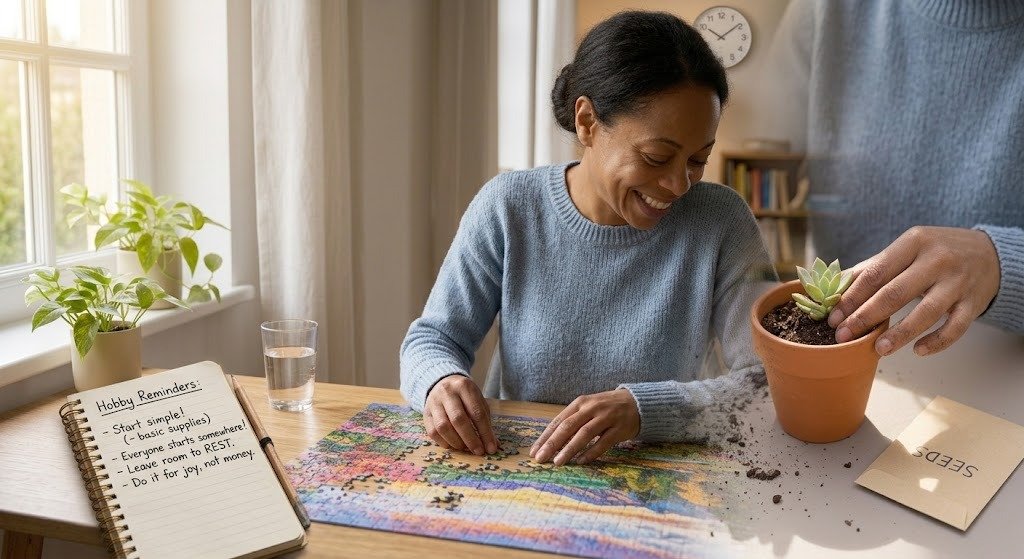
Avoid these common problems when exploring new activities:
- Buying too much equipment: Try basic supplies first.
- Following trends blindly: Choose activities that interest you.
- Expecting quick mastery: Give yourself time to learn.
- Comparing yourself with experts: Everyone starts somewhere.
- Filling all your free time: Leave room for rest and responsibilities.
- Treating every hobby as a business: Enjoyment is enough.
- Continuing because of money already spent: It is fine to change hobbies.
A hobby should fit your life rather than create unnecessary pressure.
Conclusion
Different hobbies offer ways to explore creativity, learn skills, stay active, connect with others and enjoy free time. The best choice depends on your interests, budget schedule and preferred setting.
Start with one manageable activity and use resources you already have. Keep exploring until you find something you genuinely enjoy. A hobby does not have to be impressive or productive to deserve a place in your life.
FAQs
What are the most popular types of hobbies?
Common categories include creative arts sports reading, cooking , gardening technology collecting and social activities. Popularity varies by location, culture and personal preference.
What hobbies can beginners try at home?
Beginners can try reading, journaling, drawing simple cooking puzzles, language learning and digital art. Many activities have inexpensive starting options.
Which hobbies are inexpensive?
Walking to the library , reading , journaling basic sketching and learning through free educational resources can be inexpensive. Costs depend on materials, equipment and access to facilities.
What is the difference between a hobby and an interest?
An interest is something you enjoy learning about or following while a hobby is usually an activity you regularly pursue in your free time. An interest in photography for example can become a hobby when you begin taking pictures.
Can one person have different hobbies?
Yes. Someone can enjoy reading, gardening, swimming and other activities. There is no required number; choose hobbies that fit your time and interests.
How long should you try a new hobby?
There is no fixed period. Try an activity several times if you are interested, allowing yourself time to learn the basics. If it remains unenjoyable or impractical choose another option.

 By



 By