
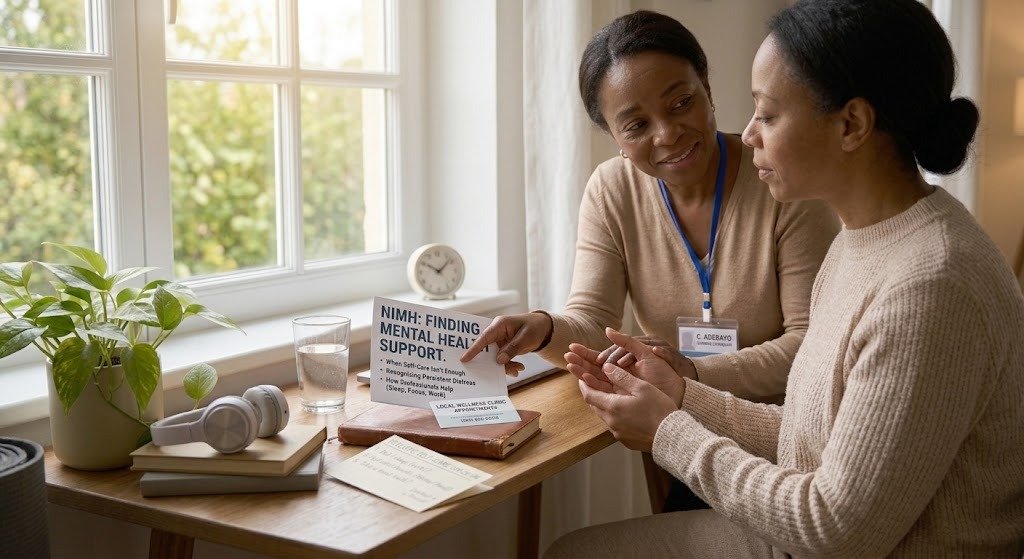

Selfcare can be difficult to prioritize when work, school, family and everyday responsibilities compete for your attention. You may understand its importance but still struggle to find time or decide where to begin.
Learning how to practice self care starts with understanding what you need and choosing realistic actions that fit your daily life. You do not need expensive products or a perfect schedule.
Simple habits such as taking a proper break, setting priorities or staying connected with supportive people can be practical ways to begin.
This guide explains the main types of selfcare how to build a manageable routine and how to adapt your habits when life becomes busy.
What Does It Mean to Practice Self Care?

Practicing selfcare means taking practical steps to support your physical health, mental wellbeing, emotions and everyday responsibilities. Examples include getting enough rest, eating regular meals, maintaining supportive relationships and asking for help when needed.
The World Health Organization describes selfcare as actions that help people maintain health, prevent illness and manage health conditions with or without support from a health professional.
Selfcare is personal. Some people benefit from a quiet break while others may need social connection or help organizing responsibilities. The goal is to choose activities that meet your needs without adding unnecessary pressure.
What Are the Main Types of SelfCare?
Understanding different types of selfcare can help you identify where to start.
Physical SelfCare
Physical self care includes regular meals, hydration, adequate sleep, personal hygiene, comfortable movement and appropriate medical care. For example you might take breaks during long study sessions or arrange a healthcare appointment for an ongoing concern.
Mental and Emotional SelfCare
Mental selfcare supports concentration learning and mental rest. Emotional selfcare involves recognizing your feelings and responding with patience.
Reading, journaling , enjoying a hobby or taking a break from notifications may help you make space for mental rest. Emotional self care also means acknowledging difficult feelings instead of criticizing yourself for having them.
During stressful moments try speaking to yourself with patience and consider sharing your concerns with someone you trust.
Social SelfCare
Social selfcare means maintaining supportive relationships and communicating your needs. It can include contacting a friend, spending time with trusted family members or asking for practical assistance.
Setting boundaries is also important. You can care about others without being available to everyone all the time.
Practical SelfCare
Practical selfcare reduces avoidable stress from everyday responsibilities. Organizing essential items, reviewing your schedule and breaking large tasks into smaller steps can make daily life easier to manage.
How to Practice Self Care Step by Step?
You do not need to change your entire lifestyle at once. Start with these five steps.
1. Identify What You Need
Pause and consider what is affecting you most. Are you tired, worried, lonely or overwhelmed by unfinished tasks? Understanding the problem helps you choose an appropriate response.
For example if a long todo list is causing stress identifying your most important task may help more than adding another activity to your schedule.
2. Choose One Simple Action
Select an activity that fits your time and energy. You could take a short break, write down your priorities, prepare a meal or contact someone supportive.
Starting small makes selfcare easier to maintain. Add other habits only when they feel useful and manageable.
3. Make Your Goal Specific
Instead of saying “I need to take better care of myself” choose a clear action:
- Take a short break between demanding tasks.
- Prepare tomorrow’s essentials before bed.
- Make time for an enjoyable hobby.
- Contact a supportive friend this week.
Specific actions give you a practical starting point.
4. Connect It to Your Routine
Attach a new habit to something you already do. For example, review tomorrow’s priorities after dinner or spend a few minutes reading before bed.
Choose a time that suits your schedule. If your days are unpredictable keep the habit flexible rather than following a strict timetable.
5. Review What Helps
Notice which activities are genuinely useful and which ones feel difficult to maintain. You can keep a small list of options for different situations such as a quiet activity for a busy day, a hobby for your free time or a conversation with someone supportive when you need connection. Change your choices as your needs and schedule change.
Which SelfCare Activity Should You Choose?
Choose an activity according to your current needs, available time and circumstances.
| Your need | Suggested activity | Time | Cost |
| A quick break | Drink water or pause between tasks | 1–5 minutes | Free |
| Mental overload | Write down your thoughts | 5–10 minutes | Free |
| Too much sitting | Stretch gently or take a walk | 5–15 minutes | Usually free |
| Feeling disconnected | Message someone you trust | 2–10 minutes | Usually free |
| A distracting workspace | Tidy one small area | 5–10 minutes | Free |
| Need for enjoyment | Read draw or listen to music | 10–30 minutes | Free or lowcost |
| Too many responsibilities | Choose one priority | 5–10 minutes | Free |
| An ongoing health concern | Seek appropriate healthcare advice | Varies | Depends on services |
These suggestions are starting points not guaranteed solutions. A short break may help with temporary stress while recurring difficulties may require practical changes or additional support.
How to Build a Simple Daily SelfCare Routine?
A useful routine should fit your life rather than become another demanding checklist.
Morning: Eat breakfast if available and appropriately review your schedule or identify one important priority. If mornings are rushed, prepare essential items the night before.
Midday: Pay attention to meals, hydration movement and rest. Take suitable breaks between demanding activities.
Evening: Choose something relaxing such as reading, listening to music or enjoying a hobby. You can also prepare what you need for the next day.
The National Institute of Mental Health recommends practical habits such as regular movement balanced meals adequate sleep relaxing activities realistic priorities and social connection.
You do not need to follow every suggestion daily. Start with one or two habits and adjust them according to your needs.
How to Practice Self Care When You Are Busy?
When your schedule is full, focus on small actions that fit naturally into your day.
- Combine activities: Listen to music while doing a suitable household task or contact a friend during a break.
- Reduce unnecessary demands: Postpone a nonurgent task when possible instead of trying to do everything.
- Keep a short list: Choose three quick activities you can use on demanding days.
- Ask for help: If responsibilities become difficult to manage, ask someone to assist with a task or clarify priorities.
- Stay flexible: During exams, busy work periods or family commitments use a simpler version of your routine.
Even small actions can help you attend to your needs without requiring a complete schedule change.
How to Practice Self Care Without Spending Money?
Selfcare does not require expensive products, gym memberships or paid wellness services. Many useful activities are free or use resources you already have.
You can take a walk in a safe place, write in a notebook, read a book you own, listen to music, organize a small area or spend time with supportive people. Preparing a simple meal and setting boundaries around your time are also practical options.
Choose activities based on what you need rather than what is popular online. A simple habit that suits your circumstances may be easier to maintain than an elaborate routine.
Common SelfCare Mistakes to Avoid
Selfcare can become stressful when it turns into a list of rules you must follow perfectly.
- Changing everything at once: Begin with one or two manageable habits.
- Treating rest as a reward: Rest is a basic need not something you must earn by finishing every task.
- Comparing yourself with others: Your schedule, health resources and preferences may differ from theirs.
- Ignoring the real problem: Relaxation may help temporarily but recurring stress may require boundaries, practical assistance or changes to your workload.
- Choosing activities you dislike: You do not need to follow every wellness trend.
- Feeling guilty when plans change: Adjust your routine and return to it when practical.
The purpose of selfcare is to support your wellbeing not create another source of pressure.
When Is SelfCare Not Enough?

Selfcare can support everyday wellbeing but it cannot replace medical or mental health care when professional support is needed.
Consider speaking with a qualified healthcare professional if distress persists becomes worse or interferes with sleep concentration relationships, school work or everyday activities.
The National Institute of Mental Health provides guidance on recognizing mental health concerns and seeking appropriate support. Depending on your circumstances a primary care provider counselor or qualified mental health professional may help you understand your options.
Seeking help does not mean selfcare has failed. Recognizing when you need additional support is itself an important part of caring for yourself.
Conclusion
Learning how to practice self care begins with recognizing your needs and choosing small realistic actions. Focus on habits that support your physical health, emotions, relationships and everyday responsibilities.
Start with one manageable change, review whether it helps and adjust your routine as life changes. You do not need a perfect schedule or expensive products to begin. Choose one practical step today and build from there
FAQs
How can beginners start practicing selfcare?
Identify one need such as rest connection or help managing responsibilities. Choose a simple action that fits your day, try it and see whether it helps before adding more habits.
How often should you practice selfcare?
Some habits such as regular meals, sleep and personal hygiene are everyday needs. Other activities such as hobbies or weekly reflection can happen less frequently. Choose a schedule that suits your circumstances.
What are the five main types of selfcare?
Self care is often discussed through physical, mental , emotional , social and practical categories. These areas can overlap. For example talking with someone you trust may support both emotional and social well being. The most important thing is to identify which area needs attention rather than trying to follow every category equally.
How can you practice selfcare when you feel overwhelmed?
Identify your most immediate need, take a suitable break and choose one manageable priority. If the feeling continues or interferes with everyday life consider asking for practical or professional support.
Can selfcare improve mental wellbeing?
Selfcare habits can support mental wellbeing by helping you meet basic needs, manage everyday stress and maintain social connections. However they cannot replace professional care when assessment or treatment is needed.
What should you do if your selfcare routine does not work?
Check whether the routine is realistic and suited to your current needs. Change the timing, shorten the activity or try another approach. If difficulties continue, consider whether additional support would help.
.


 By




 By