
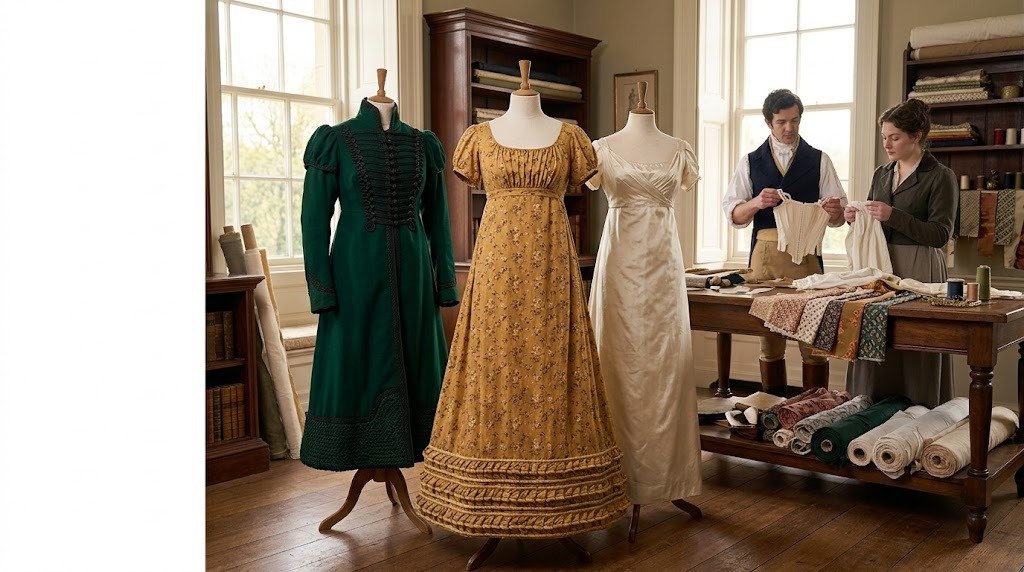

Regency fashion is known for flowing dresses, high waistlines, tailored coats and elegant accessories. Popular period dramas have made this style familiar but real early nineteenth century clothing was more varied than it often appears on screen.
During this period women’s gowns commonly featured Empire waistlines while men’s fashion emphasized fitted coats, waistcoats and cravats. Clothing also varied according to wealth, occupation, weather and occasion.
This guide explores Regency fashion history, women’s and men’s clothing, popular fabrics accessories and ways to recreate the style today.
What Is Regency Fashion?
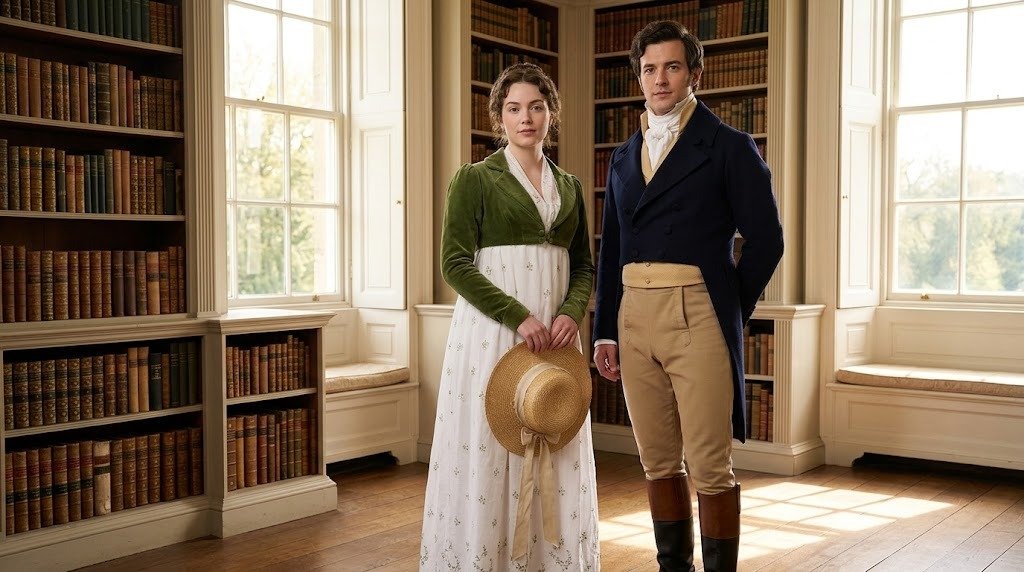
Regency fashion refers to clothing associated with the late eighteenth and early nineteenth centuries particularly Britain’s Regency period from 1811 to 1820. Its recognizable features include highwaisted women’s dresses, decorative bonnets, tailored men’s coats and carefully styled accessories.
The period takes its name from George IV who served as Prince Regent while his father George III was unable to rule. Fashion also reflected European influences and renewed interest in ancient Greek and Roman art.
These influences encouraged simpler silhouettes than the wide structured gowns popular during much of the eighteenth century. The National Gallery of Victoria’s Regency fashion guide provides further historical context.
What Were the Main Features of Regency Fashion?
Regency clothing combined relatively simple shapes with decorative details. Common features included:
- High waistlines: Women’s gowns often had waist seams just below the bust.
- Long skirts: Dresses usually extended toward the ankles or floor.
- Lightweight fabrics: Cotton muslin and silk were used for different garments.
- Tailored men’s clothing: Coats, waistcoats and cravats created a polished appearance.
- Accessories: Bonnets gloves, shawls , ribbons and jewellery completed many outfits.
Why Was the Empire Waistline Important?
The Empire waistline was one of the defining features of Regency women’s fashion. Positioned below the bust it allowed the skirt to fall in a long flowing shape.
Although white and pale gowns are strongly associated with the period, dresses also appeared in coloured fabrics, prints , embroidery and decorative trims. A surviving Empirestyle dress from 1810–15 at The Metropolitan Museum of Art illustrates the period’s construction and silhouette.
What Did Women Wear During the Regency Era?
Regency women’s clothing included gowns, supportive undergarments, outerwear and accessories. Outfits differed according to the occasion season and the wearer’s budget.
Regency Dresses and Gowns
Many Regency dresses featured a fitted bodice, a high waistline and a long skirt. Day dresses were suitable for visits and everyday activities while evening gowns could include finer fabrics, embroidery ribbons and decorative sleeves.
Muslin and cotton were used for lightweight garments while silk was suitable for more expensive clothing. Women wore a variety of colours so the idea that all Regency dresses were white is inaccurate.
Stays and Other Undergarments
Women did not simply abandon supportive undergarments during the Regency period. Many wore shifts or chemises beneath their clothing along with stays that helped support the upper body and shape the gown.
The construction and fit of these garments varied. Historical undergarments should not all be treated as identical to corsets associated with later Victorian fashion.
Spencer Jackets Pelisses and Shawls
Outerwear helped women stay warm while complementing their dresses.
- Spencer jackets: Short jackets worn over gowns.
- Pelisses: Longer outer garments offering additional coverage.
- Shawls: Versatile coverings used for warmth and decoration.
For more detail about everyday clothing explore our guide to Regency commoner fashion.
What Did Men Wear During the Regency Era?
Regency men’s fashion emphasized fitted coats, waistcoats, shirts, cravats and suitable legwear. However clothing differed between formal occasions, outdoor activities and everyday work.
Tailcoats Waistcoats and Shirts
Tailcoats had shorter fronts and extended back tails. Waistcoats were worn over shirts and beneath coats sometimes adding colour or decoration to an outfit.
Men commonly wore shirts with cravats which were pieces of cloth tied around the neck. Beau Brummell became associated with refined men’s dress, particularly careful tailoring and a neat understated appearance.
Breeches Trousers and Boots
Breeches which generally ended around the knee remained in use while long trousers became increasingly common in some settings. The choice depended on fashion occupation and occasion.
Boots were practical for riding and outdoor activities while other shoes suited indoor and social settings. Not every man owned expensive or fashionable clothing.
Which Fabrics and Colours Were Popular?
Regency clothing used several materials selected according to cost purpose season and social position.
| Fabric | Common uses |
| Cotton and muslin | Dresses shifts and lightweight garments |
| Silk | Fine gowns and formal clothing |
| Linen | Shirts and undergarments |
| Wool | Coats and warmer garments |
| Velvet | Selected formal or decorative clothing |
White and pastel colours were fashionable in some settings but coloured and patterned garments were also worn. Historical paintings and surviving garments offer useful evidence although colours may change over time because of wear light exposure and storage.
What Accessories Completed a Regency Outfit?
Accessories could provide warmth, carry personal items or make clothing suitable for particular occasions.
- Bonnets and hats: Bonnets were common in women’s outdoor dress and could feature ribbons, flowers or feathers.
- Gloves and shawls: These provided practical coverage and decorative touches.
- Reticules and small bags: Women used them to carry personal belongings.
- Jewellery: Earrings, necklaces , brooches and bracelets varied according to wealth and taste.
Not everyone owned elaborate accessories. Materials and designs depended on personal finances, lifestyle and the occasion.
How Did Regency Fashion Change Over Time?
Regency fashion evolved from the late 1790s through the 1820s. Waistlines sleeves skirt shapes and decorative details changed gradually.
| Period | General trend |
| Late 1790s–early 1800s | Highwaisted silhouettes gained popularity |
| Around 1810–1815 | Long gowns remained popular with varied fabrics and decoration |
| Around 1815–1820 | Sleeve shapes and decorative trims continued to change |
| Early to mid1820s | Waistlines gradually lowered and skirts became fuller |
These are broad trends, not strict rules. New styles did not reach every region or social group at the same time and older garments often remained in use.
How Did Social Class Affect Regency Fashion?
Social class influenced the clothing people could afford and the occasions for which they dressed.
Wealthy families could purchase fine fabrics, fashionable accessories and custommade garments. They might own separate outfits for visits, outdoor activities and evening events.
Middle class people often followed fashionable trends within their budgets reusing garments for different occasions. Working people generally needed durable clothing suitable for daily tasks and repairing or reusing garments was common.
Therefore the elegant wardrobes shown in stories about Jane Austen’s wealthier characters do not represent everyone who lived during the Regency period.
How Can You Create a RegencyInspired Outfit Today?
You can recreate the style by combining a few recognizable historical features.
- Choose the occasion: Decide whether you need everyday inspiration, a costume or a historically accurate outfit.
- Select the main garments: Try an Empirewaist dress for a women’s look or a tailored coat waistcoat shirt and cravat for a men’s outfit.
- Choose suitable fabrics: Lightweight cotton can suggest the look of a gown while structured fabrics work for coats.
- Add accessories: Consider a bonnet shawl ribbon gloves or small bag.
- Check historical references: Use museum collections and dated fashion plates if accuracy matters.
For modern styling an Empireline dress or a vintage inspired brooch can reference the period without reproducing historical clothing exactly. Designers continue to adapt Regency inspired silhouettes and details for contemporary fashion.
Common Misconceptions About Regency Fashion
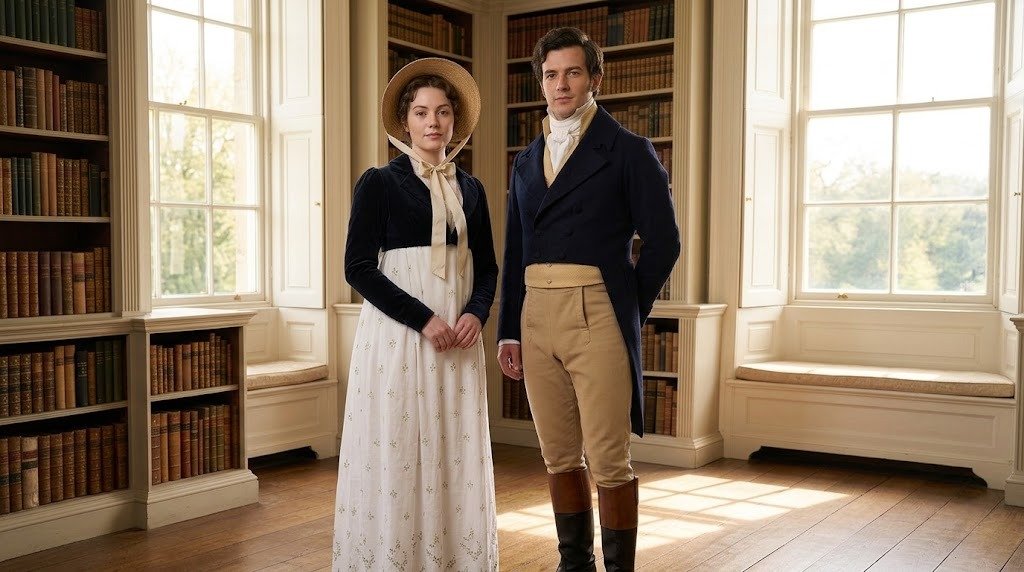
Several popular ideas about Regency clothing need clarification:
- All dresses were white: Coloured and patterned gowns were also worn.
- Women did not wear supportive undergarments: Many wore shifts and stays beneath their dresses.
- Everyone dressed like the upper classes: Clothing depended on income, occupation and location.
- Fashion stayed unchanged for decades: Silhouettes and decorative details evolved over time.
- Modern Regency inspired outfits are historically exact: Contemporary designs often adapt historical features.
Understanding these differences provides a more accurate picture of Regency clothing beyond its popular portrayal in period dramas.
Conclusion
Regency fashion remains an important part of early nineteenth century clothing history. Highwaisted gowns, tailored coats, decorative bonnets and carefully chosen accessories created a distinctive style that continues to inspire modern designers.
However Regency clothing was not limited to elegant dresses and formal events. Styles differed by social class occupation season and occasion while fashion continued to evolve throughout the period.
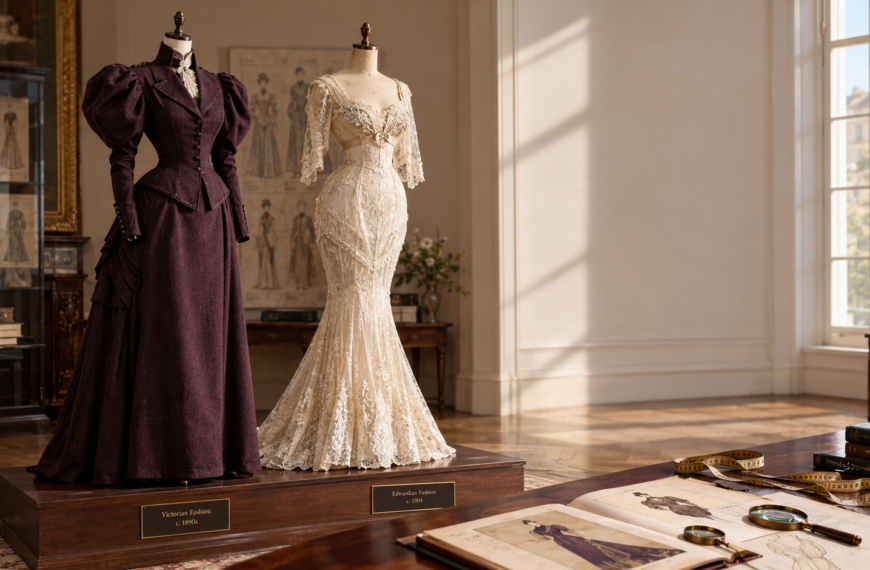
To explore the wider history of clothing, compare Regency styles with Victorian era outfits, Edwardian fashion history and 1920s fashion.
FAQs
What is Regency fashion known for?
Regency fashion is known for highwaisted women’s dresses flowing skirts, bonnets tailored men’s coats waistcoats and cravats.
What years does Regency fashion cover?
The British Regency officially lasted from 1811 to 1820. The term is also used more broadly for related styles from the late 1790s and the 1820s.
What fabrics were used in Regency dresses?
Cotton muslin and silk were used for gowns. Linen was common for basic garments while wool provided warmth for coats and outerwear.
Did Regency women wear corsets?
Many women wore stays or other supportive undergarments. Their construction varied so it is inaccurate to assume everyone wore the same type of corset.
How is Regency fashion different from Victorian fashion?
Regency women’s clothing often featured high waistlines and flowing skirts. Victorian fashion later developed different silhouettes including fuller skirts and in some periods bustles. Read our guide to Regency vs Victorian fashion.
Is Regency fashion still popular today?
Yes. Designers and costume enthusiasts continue to use Empire waistlines, romantic sleeve ribbons and tailored waistcoats as inspiration for modern clothing.

 By

 By