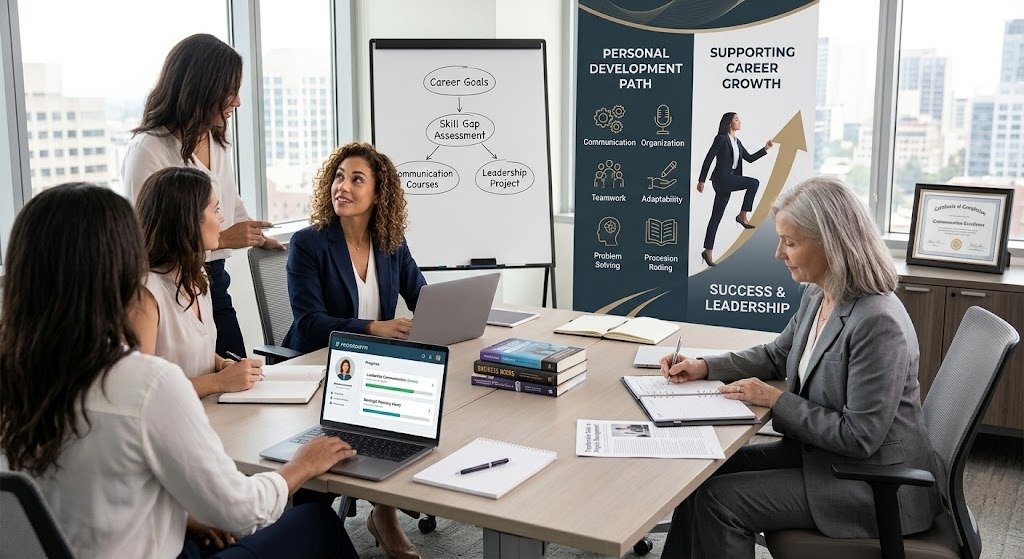

Personal development is the process of understanding yourself, building useful skills and making intentional changes to improve your life. It can involve improving communication, managing time, building confidence or learning new things.
It does not mean changing everything about yourself or trying to become perfect. Instead it starts with identifying what matters to you and taking realistic steps towards improvement.
This guide explains the benefits of personal development, important skills and practical ways to create a plan that fits your everyday life.
What Is Personal Development and Why Does It Matter?
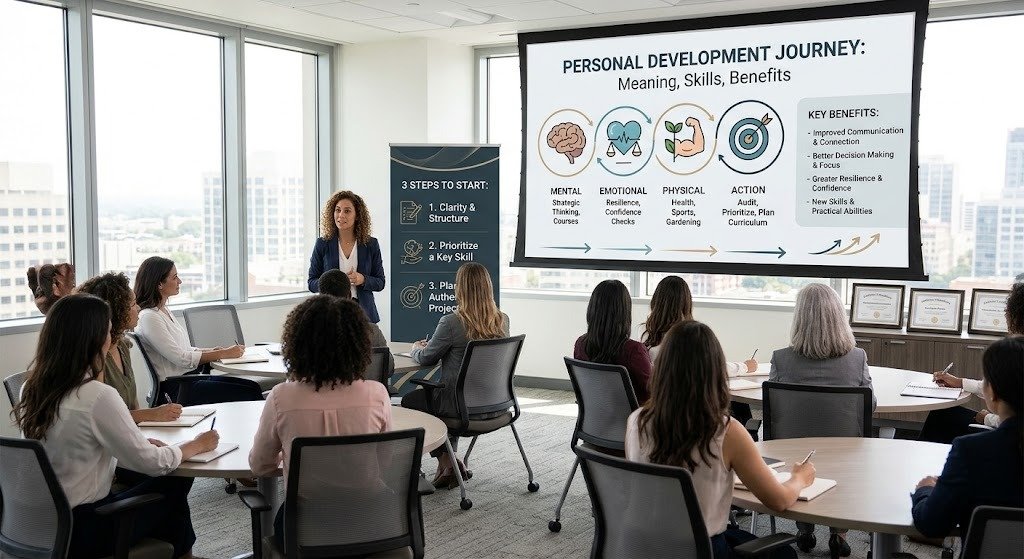
Personal development is an ongoing process of improving your self awareness, knowledge habits and abilities. It helps you recognize your strengths, identify areas for improvement and make decisions that support your goals.
For example a student might improve time management to complete assignments while a professional might develop communication skills to work more effectively with others.
Personal development looks different for everyone. The aim is to make progress according to your own priorities rather than compare yourself with others.
What Are the Main Benefits of Personal Development?
Personal development can help you build useful skills and make more intentional choices.
1. Greater Self Awareness
Self awareness means understanding your feelings, values, strengths and habits. Recognizing patterns can help you identify what supports your progress and what needs to change.
2. Better Decision Making
Understanding your priorities helps you compare options and consider possible consequences before making decisions. It does not guarantee perfect choices but it can encourage more thoughtful decisions.
3. Stronger Communication
Practising active listening, explaining your needs clearly and handling disagreements respectfully can improve relationships at school work and home.
4. Improved Learning and Adaptability
Learning new skills and responding constructively to feedback can help you adjust to changing responsibilities. Reviewing mistakes also gives you an opportunity to try a different approach.
5. Clearer Goals
Personal development helps turn broad wishes into specific actions. For example instead of wanting to improve communication practice explaining one idea clearly during a conversation each week.
What Personal Development Skills Should You Work On?
You do not need to develop every skill at once. Choose those that would make the biggest difference in your daily life.
| Skill | Meaning | Practical Example |
| Self awareness | Understanding your patterns | Reflecting on what affects your focus |
| Communication | Expressing and understanding ideas | Listening before responding |
| Time management | Organizing priorities | Planning daily tasks |
| Emotional awareness | Recognizing feelings | Pausing before responding when frustrated |
| Problem solving | Finding and evaluating solutions | Breaking a difficult task into steps |
| Adaptability | Adjusting to change | Learning a new tool |
| Self discipline | Following through on commitments | Practising a skill regularly |
| Decision making | Comparing options | Considering consequences before choosing |
How Can You Develop These Skills?
Choose one skill and practise it in everyday situations. If you want to improve time management, plan your priorities each morning. To strengthen communication, listen carefully and ask useful follow up questions.
Reading about a skill can provide knowledge but practising it helps you discover what works in real situations.
What Are the Main Areas of Personal Development?
Personal development involves several connected areas.
Emotional and Personal Growth
This involves understanding your reactions, recognizing your needs and responding thoughtfully to challenges. Journaling and reflection can help you identify patterns and priorities.
Intellectual Development
Reading, learning a language, taking a course and exploring unfamiliar subjects can build knowledge and critical thinking skills.
Social Development
Social development focuses on relationships, cooperation, communication and boundaries. You can practise it by listening respectfully, expressing disagreement clearly and asking for help when needed.
Professional Development
Professional development involves building skills relevant to your studies or career such as writing presentation teamwork and using relevant software.
Physical Wellbeing and Daily Habits
Sleep movement rest and everyday routines can support your ability to manage responsibilities. The World Health Organization explains that self care supports health and wellbeing but does not replace appropriate healthcare. Read the WHO guidance.
Personal growth should support a balanced life rather than turn every activity into another target.
How Can You Create a Personal Development Plan?
A personal development plan turns an intention into manageable actions.
Step 1: Assess Your Current Situation
Identify your strengths and areas for improvement. Ask yourself which skills you want to develop, what challenges you face and what changes would be most useful.
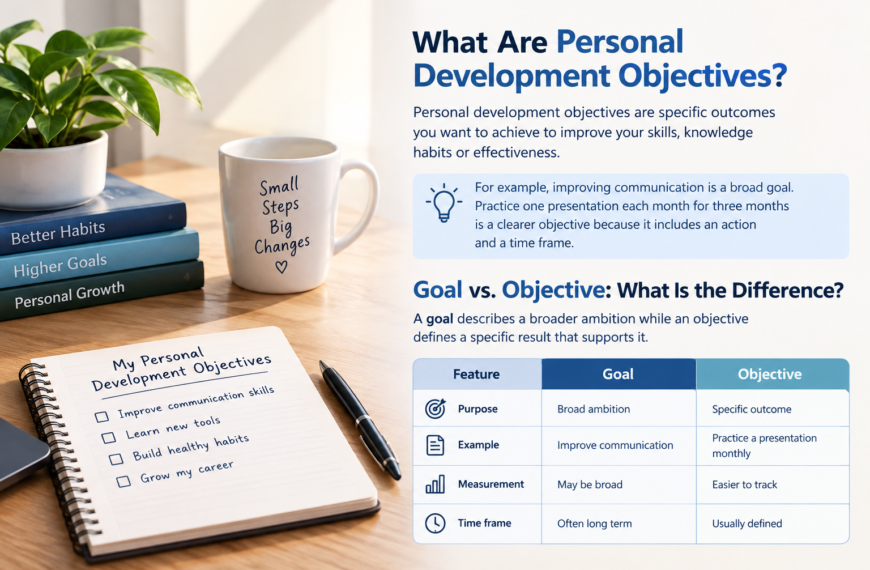
Step 2: Choose One Clear Goal
Instead of setting a broad goal such as becoming a better writer choose something measurable such as practising writing for 20 minutes on four days each week for one month.
The American Psychological Association’s goal setting definition provides a useful starting point for understanding goal setting.
Step 3: Break the Goal Into Small Actions
Divide your goal into steps you can repeat. For communication this might mean practising clear explanations, listening carefully and asking for feedback.
Step 4: Identify Possible Obstacles
Consider what could interrupt your plan such as limited time distractions or unclear instructions. Prepare alternatives such as shorter practice sessions or adjusting your priorities.
Step 5: Review Your Progress
Review your actions weekly or monthly. Ask what worked, what was difficult and whether your goal needs adjusting. Treat the review as an opportunity to learn not as a reason to criticize yourself.
Example of a Simple Personal Development Plan
| Plan Element | Example |
| Development area | Time management |
| Goal | Improve daily planning over four weeks |
| Action | Spend five minutes listing priorities |
| Schedule | Before starting work |
| Possible obstacle | Unexpected tasks |
| Alternative | Reorganize priorities |
| Progress measure | Review completed tasks weekly |
Keep your plan somewhere accessible. A simple plan you use regularly is more useful than a complicated one you rarely review.
What Daily Habits Can Support Personal Growth?
Small habits create regular opportunities to practise new skills.
- Read or learn: Explore a subject that interests you.
- Reflect: Write down one thing you learned.
- Plan priorities: Identify your most important tasks.
- Practise a skill: Apply something you recently learned.
- Ask for feedback: Seek a specific observation from someone you trust.
- Make time for rest: Include breaks and enjoyable activities in your routine.
Choose one or two habits that fit your schedule rather than attempting to change everything at once.
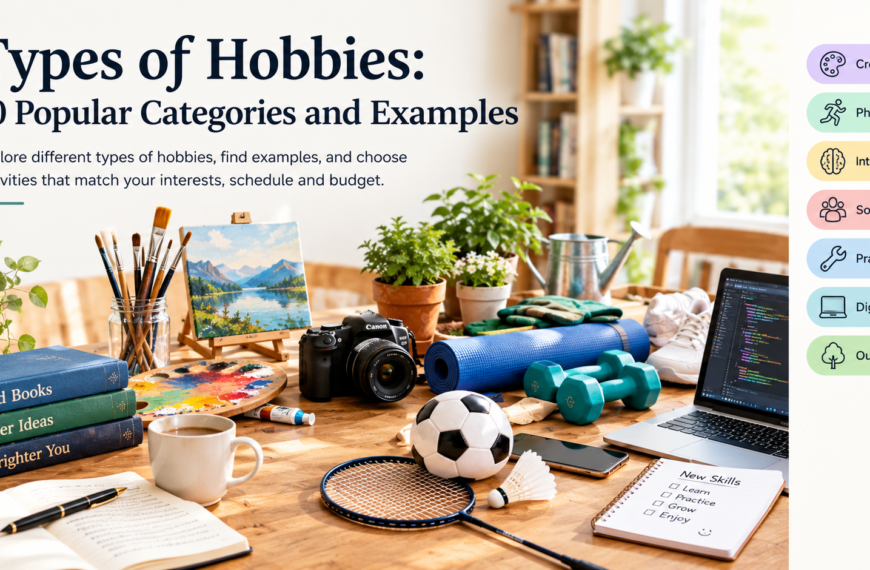
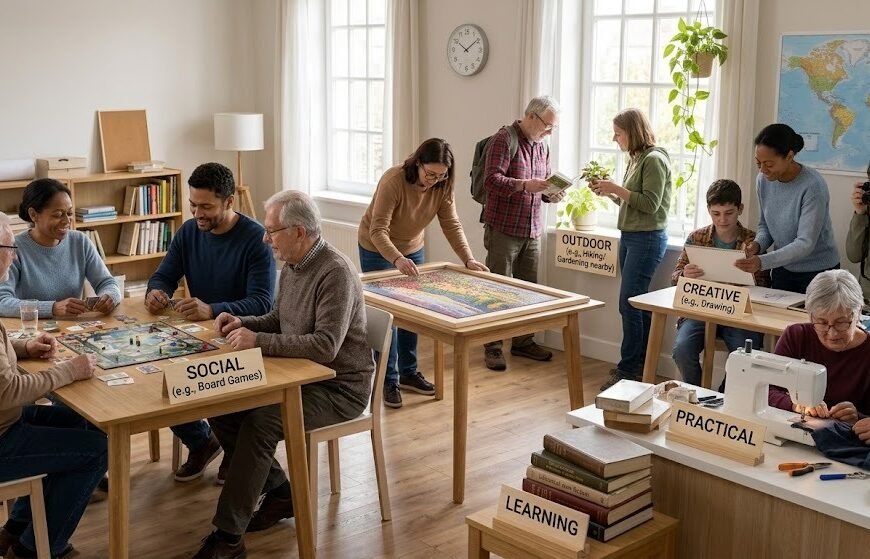
You can also explore different hobbies and how to choose one for ideas that encourage creativity and learning outside work or study.
What Common Personal Development Mistakes Should You Avoid?
Trying to Change Everything at Once
Too many new habits can become difficult to maintain. Start with one priority and build gradually.
Comparing Yourself With Others
People have different circumstances and starting points. Measure progress against your own goals rather than someone else’s achievements.
Setting Unrealistic Goals
Choose goals that fit your available time and resources. Break large ambitions into smaller steps and adjust them when necessary.
Collecting Advice Without Applying It
Books, videos and courses can offer useful information but practical application helps you develop skills. After learning something, identify one way to use it.
Treating Rest as Failure
Personal development should leave room for rest, hobbies and relationships. Constant productivity is not a requirement for growth.
Expecting Immediate Results
Some skills require repeated practice. Look for gradual improvements such as clearer communication or more consistent task completion.
Can Personal Development Improve Your Career?
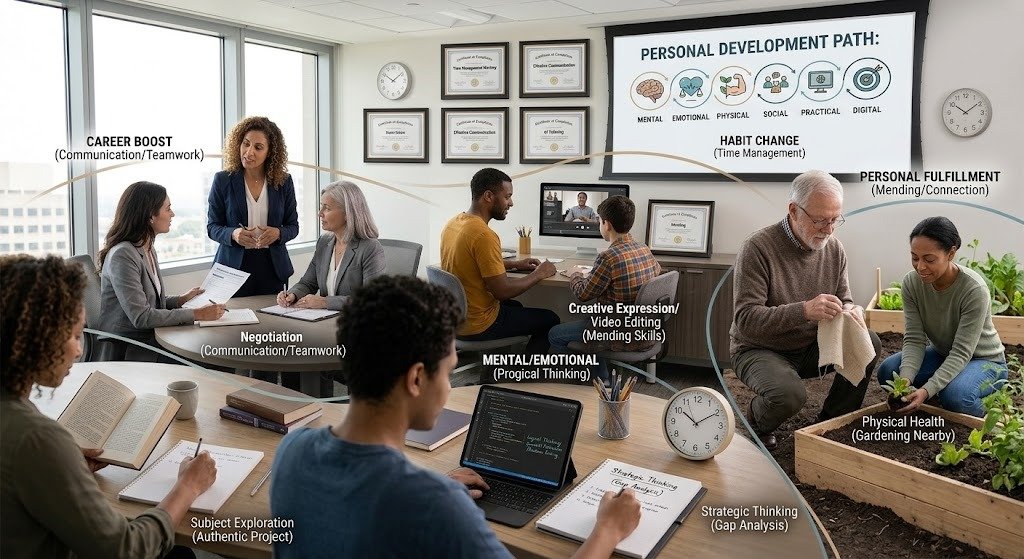
Personal development can support career growth by helping you strengthen communication, organization teamwork, problem solving and adaptability.
For example you might review job descriptions to identify relevant skills, assess your current abilities and practise one skill through a project or course.
However personal development does not guarantee a promotion or job offer. Career outcomes also depend on experience, qualifications, opportunities and workplace conditions.
Conclusion
Personal development is an ongoing process of understanding yourself, strengthening useful skills and making choices that support your goals. It can include communication, self awareness, daily habits and professional learning.
Start with one area that matters to you, set a realistic goal and take a small step you can review over time. Focus on progress that reflects your own priorities rather than pressure to meet someone else’s expectations.
FAQs
What is the main purpose of personal development?
Its main purpose is to understand yourself and build skills, habits and behaviours that support your priorities. It can help you make more intentional choices in everyday life education and work.
What are five examples of personal development?
Examples include improving communication, learning a skill managing time reflecting on goals and learning to receive feedback constructively.
How do I start personal development as a beginner?
Choose one area to improve, set a realistic goal and identify a small action you can practise regularly. Review your progress before adding more changes.
How long does personal development take?
There is no fixed timeline because different goals require different amounts of practice. Focus on useful changes over time rather than expecting instant transformation.
Is personal development the same as professional development?
No. Personal development covers a broad range of skills and life areas while professional development focuses on knowledge and abilities related to work or career progression.
Can personal development help when I feel stuck?
It can help you clarify priorities and identify manageable next steps. Some challenges may also require practical resources outside support or professional guidance.

 By

 By