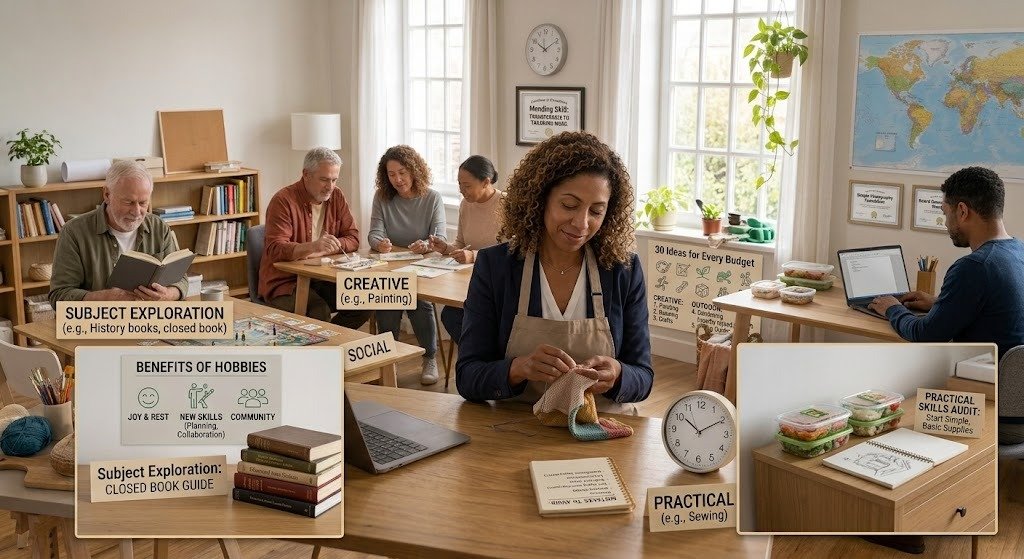

Finding a hobby can make free time more enjoyable and introduce you to new interests. However choosing an activity can be difficult when so many options are available.
Popular hobbies include reading, cooking, gardening, photography, sports and creative crafts. Some require little equipment while others involve classes or additional expenses. The right choice depends on your interests, budget schedule and preferred environment.
This guide explores popular hobby ideas, compares their practical requirements and explains how to choose an activity you will enjoy.
What Are the Most Popular Hobbies?
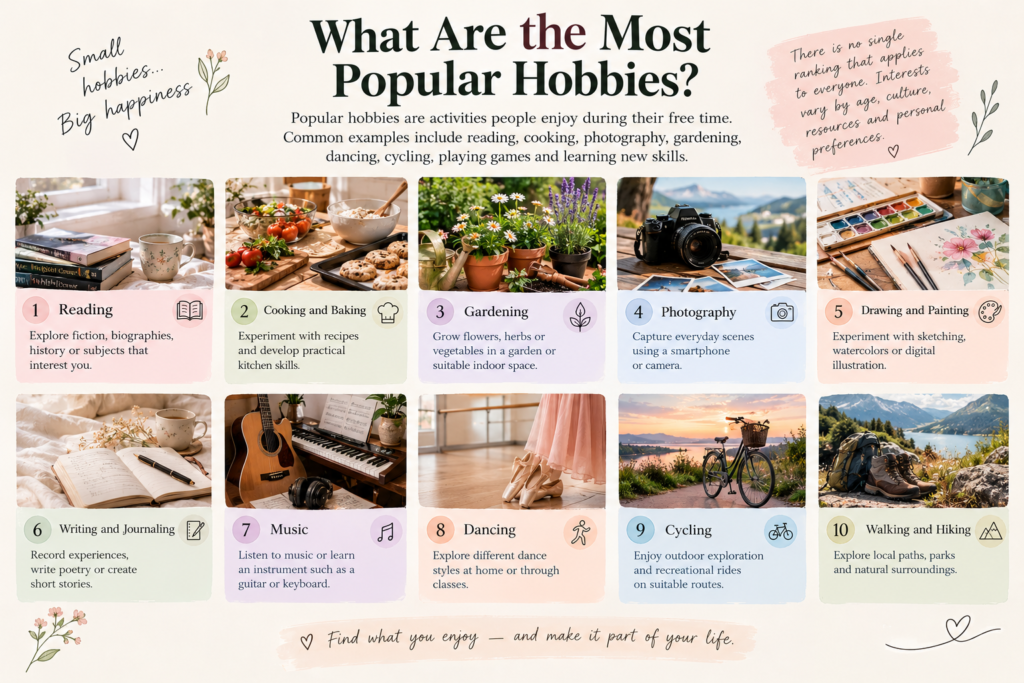
Popular hobbies are activities people enjoy during their free time. Common examples include reading, cooking, photography, gardening, dancing, cycling , playing games and learning new skills.
There is no single ranking that applies to everyone. Interests vary by age, culture resources and personal preferences.
Here are ten familiar hobbies to consider:
- Reading: Explore fiction biographies, history or subjects that interest you.
- Cooking and baking: Experiment with recipes and develop practical kitchen skills.
- Gardening: Grow flowers, herbs or vegetables in a garden or suitable indoor space.
- Photography: Capture everyday scenes using a smartphone or camera.
- Drawing and painting: Experiment with sketching watercolors or digital illustration.
- Writing and journaling: Record experiences, write poetry or create short stories.
- Music: Listen to music or learn an instrument such as a guitar or keyboard.
- Dancing: Explore different dance styles at home or through classes.
- Cycling: Enjoy outdoor exploration and recreational rides on suitable routes.
- Walking and hiking: Explore local paths, parks and natural surroundings.
What Are the Different Types of Popular Hobbies?
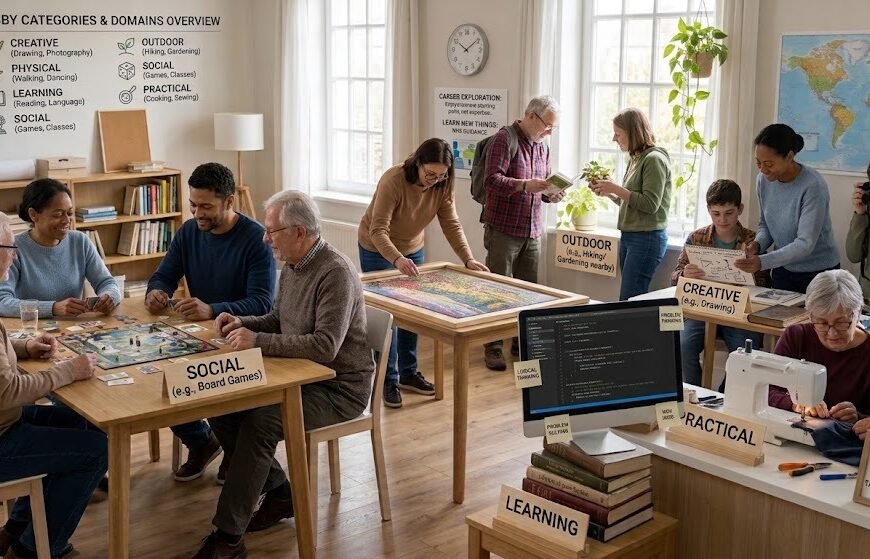
Hobbies can be grouped by the activities they involve and the experiences they offer.
Creative Hobbies
Creative hobbies involve making or designing something. Examples include:
- Drawing and painting
- Knitting and crocheting
- Embroidery and sewing
- Pottery and crafts
- Calligraphy
- Digital art and graphic design
Start with basic supplies and explore different techniques before investing in expensive equipment.
Physical and Outdoor Hobbies
Cycling, swimming, hiking, dancing , gardening and recreational sports involve movement or outdoor exploration. Choose activities that suit your interests, abilities, available facilities and local environment.
Intellectual Hobbies
These hobbies focus on learning and problem solving. Options include chess puzzles, language learning, astronomy history and coding.
You can practice many of these activities at home in short sessions.
Social Hobbies
Book clubs, board games, team sports group classes and volunteering offer opportunities to connect with people who share similar interests.
The CDC’s guidance on social connection explains why supportive relationships matter for well being. However solo hobbies can also be rewarding if you prefer quiet activities.
Relaxing Hobbies
Reading for pleasure, listening to music, journaling , knitting and casual gardening can provide enjoyable breaks from everyday routines.
A hobby does not need to produce money or measurable achievements to be worthwhile. Enjoyment itself is a valid reason to pursue an activity.
How Do Popular Hobbies Compare by Cost and Time?
Costs depend on your location equipment and how you choose to participate. This table provides a general starting point.
| Hobby | Starting Cost | Time Flexibility | Best For |
| Reading | Low | High | Quiet leisure |
| Journaling | Low | High | Writing and reflection |
| Drawing | Low | High | Creativity |
| Photography | Low with a phone | High | Visual exploration |
| Cooking | Low to medium | Medium | Practical skills |
| Gardening | Low to medium | Medium | Plant care |
| Chess | Low | High | Strategy |
| Language learning | Low | High | Learning |
| Cycling | Medium if buying a bicycle | Medium | Outdoor activities |
| Swimming | Depends on facility access | Medium | Water based recreation |
| Dancing | Low at home | Medium | Music and movement |
| Pottery | Medium to high | Depends on studio access | Hands on creativity |
Choose a hobby that fits your resources rather than assuming the most expensive option will be more enjoyable.
What Are the Benefits of Having a Hobby?
Hobbies can provide opportunities for enjoyment, learning creativity and social interaction. Their benefits depend on the activity and the individual.
Developing Skills
Regular practice can help you improve. Photography may teach composition, cooking develops practical techniques and writing encourages you to express ideas clearly.
Set manageable expectations and focus on gradual progress.
Supporting Well Being
Enjoyable activities can provide a break from routine. The Health Service Executive’s guidance on creative activities suggests options such as painting, writing, singing and cooking that people can explore.
Hobbies are not guaranteed treatments for mental health concerns but they may form part of a balanced routine.
Building Social Connections
Group classes, book clubs, recreational sports and community activities create opportunities to meet people with shared interests. You can begin with solo activities and join groups later if you prefer.
Making Free Time Enjoyable
A hobby can give you something interesting to look forward to without becoming another responsibility. You can also change activities as your interests develop.
How Can You Choose the Right Popular Hobby?
The right hobby is one that fits your preferences and is practical to continue.
Identify Your Interests
Think about whether you enjoy creating things, learning , solving problems, moving around or spending time with others. Your existing interests can help you shortlist suitable activities.
Consider Your Budget
Check what equipment or supplies you need before spending money. Borrow books use basic craft materials or try free beginner lessons where available.
Match Your Schedule
Reading, journaling and puzzles can fit into short breaks. Gardening, hiking and longer creative projects may require more time or planning.
Choose Your Preferred Setting
Decide whether you prefer indoor or outdoor activities and whether you want to participate alone or with others.
Test Before Committing
Try a short drawing lesson, cook a simple recipe or read a few chapters before making a larger commitment. Consider whether you enjoy the process, not just the final result.
How Can You Start a Hobby Without Spending Much?
You can explore many hobbies with resources you already have.
- Choose one activity that genuinely interests you.
- Use existing supplies before buying new equipment.
- Find a beginner resource such as a library book or tutorial.
- Set a small trial period to explore the activity.
- Review your experience and decide whether to continue.
For example, start photography with a smartphone or try journaling with a notebook. If the activity remains enjoyable you can gradually develop your skills.
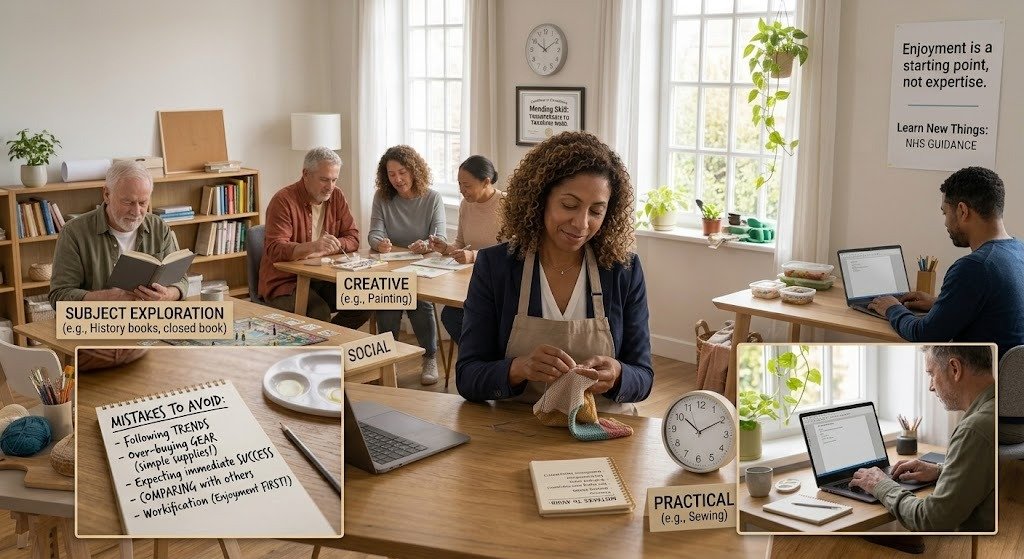
What Common Mistakes Should You Avoid?
Avoid these common mistakes when choosing a hobby:
- Following trends blindly: A popular activity may not suit your interests.
- Buying too much too soon: Begin with basic supplies.
- Expecting immediate success: Skills take practice.
- Comparing yourself with others: Everyone learns at a different pace.
- Turning every hobby into work: Enjoyment does not require earning money.
- Creating an unrealistic schedule: Start small and adjust as needed.
You can stop or change a hobby if it no longer fits your life.
Conclusion
Popular hobbies include creative activities, outdoor pursuits, games, cooking and learning. The best choice depends on your interests, budget and available time.
Start with one activity, use simple resources and give yourself time to explore. A hobby can be worthwhile simply because you enjoy it whether it helps you develop a skill to connect with others or makes your free time more enjoyable.
FAQs
What are five examples of popular hobbies?
Reading, cooking, gardening, photography and cycling are familiar examples. They offer different experiences from quiet indoor activities to outdoor exploration.
What are popular hobbies to do at home?
Drawing, reading , journaling, baking, knitting chess and language learning are suitable options. Many can be started with basic supplies or free resources.
Which hobbies are suitable for beginners?
Reading simple drawing puzzles, journaling and basic cooking are accessible starting points. Choose an activity that interests you and learn gradually.
What hobbies can I start without spending much money?
Try borrowing books, journaling, drawing with basic stationery or using free learning resources. Check what you need before purchasing equipment or enrolling in classes.
Can hobbies help develop useful skills?
Yes. Depending on the activity, hobbies can help you practice creativity, communication problem solving or practical skills. Improvement usually comes through regular practice.
How many hobbies should a person have?
There is no fixed number. One hobby may be enough while another person may enjoy several activities. Choose an amount that fits your schedule and remains enjoyable.

 By


 By