
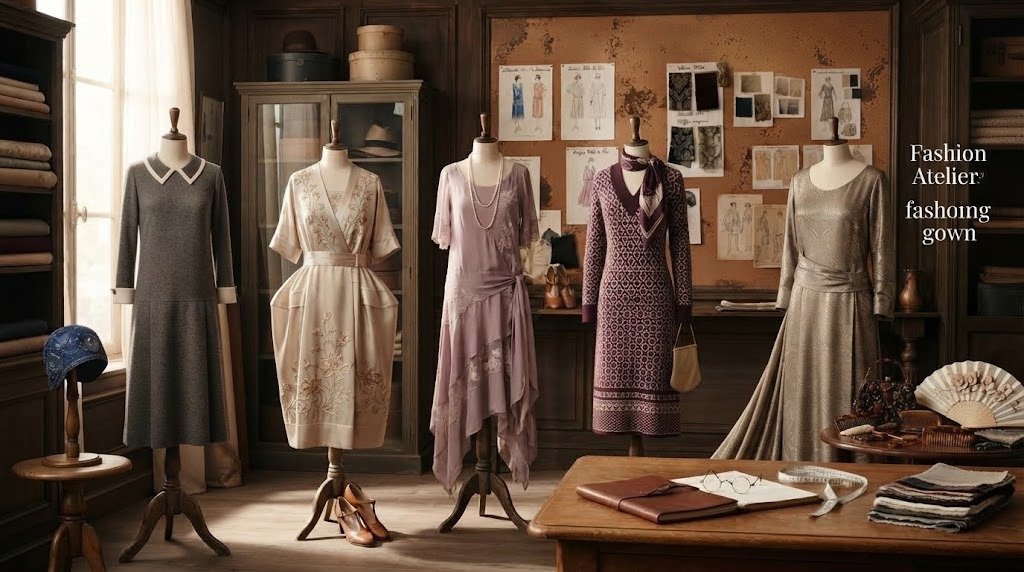

The phrase 1920s dresses often brings to mind a short beaded flapper dress with fringe and a dropped waist. While this is one of the decade’s best-known styles it represents only part of 1920s fashion.
Women also wore practical day dresses, romantic robe de style gowns, simple chemise silhouettes and highly decorated eveningwear. Throughout the decade hemlines, silhouettes, fabrics and decoration changed as fashion responded to modern social life, leisure cinema and design.
What Were 1920s Dresses Like?
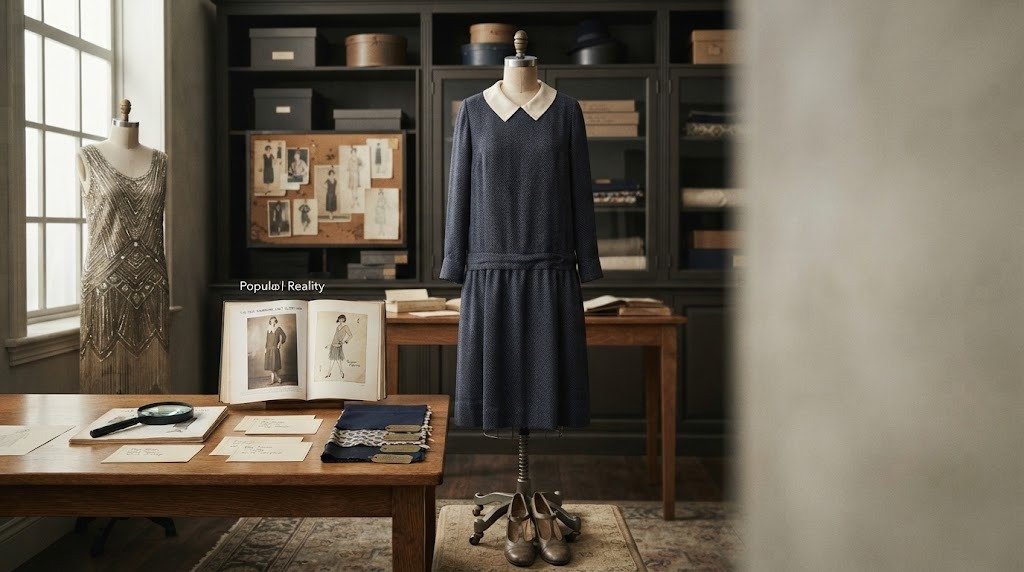
1920s dresses were generally simpler and less restrictive than many earlier styles often featuring straighter silhouettes, dropped waistlines, shorter hemlines and decorative details.
There was no single dress style for the entire decade. Some dresses followed the narrow tubular shape associated with flapper fashion while others had fuller skirts or more traditional proportions.
The type of dress also depended on the occasion. A woman could wear a practical day dress and a heavily decorated evening gown for a social event.
How Did 1920s Dresses Change?
Fashion changed gradually rather than suddenly. Early 1920s dresses retained some elements of previous fashions while designers increasingly introduced simpler shapes and shorter skirts.
By the middle of the decade dropped waists and straighter silhouettes had become strongly associated with fashionable women’s clothing. By the later 1920s straight silhouettes remained popular but designers continued experimenting with decoration proportions, layering and hemlines.
Therefore a 1921 dress does not necessarily look like a 1928 dress. The specific year matters when researching or recreating 1920s fashion.
What Were the Main Types of 1920s Dresses?
Flapper Dresses
The flapper dress is the most recognizable style of the decade. It generally featured a relatively straight silhouette, dropped waist and shorter skirt.
Evening versions could include beads, sequins, fringe rhinestones, metallic details or geometric decoration. However not every 1920s dress was a flapper dress.
Robe de Style
The robe de style strongly associated with Jeanne Lanvin provides an important contrast to the narrow flapper silhouette.
It combined a dropped waist with a fuller skirt and drew inspiration from earlier eighteenth-century clothing. Its popularity shows that romantic and fuller silhouettes continued alongside modern tubular styles.
Day Dresses
1920s day dresses were generally more practical than evening gowns. Depending on the season and occasion they could be made from cotton wool, silk or other fabrics.
They usually relied less on heavy decoration and were designed for everyday activities such as shopping, work travel or social visits.
Evening Dresses
Eveningwear was often more decorative than daytime clothing. Surviving garments show the use of silk beads, sequins , rhinestones metallic materials and layered construction.
These details could catch light and create movement during dancing and other evening activities.
ChemiseStyle Dresses
Chemise dresses used a relatively loose straight silhouette rather than strongly emphasizing the natural waist. This style reflects the broader movement away from restrictive highly structured clothing.
What Was the Flapper Dress Silhouette?
The classic flapper silhouette was generally straight loose and lowwaisted rather than tightly fitted at the natural waist. The dropped waist was usually positioned around the hips helping create the long tubular appearance associated with the decade.
Decoration varied considerably. Some dresses were heavily beaded or fringed while others were much simpler. For this reason a historically accurate flapper dress should not automatically be imagined as an extremely short dress covered in fringe.
Why Was the Waist Dropped?
The dropped waist changed the proportions of women’s clothing by moving the visual waistline lower on the body. Instead of emphasizing the natural waist, designers often placed it around the hips.
This helped create the straighter silhouette that became characteristic of the decade. The change was part of a broader movement toward simpler and less restrictive clothing.
How Short Were 1920s Dresses?
There was no single hemline throughout the decade. Early 1920s dresses could be relatively long while hemlines generally became shorter toward the middle and later years. The familiar shorter flapper silhouette is particularly associated with the later part of the decade.
When recreating a historical outfit it is therefore better to identify the specific year instead of using one “1920s” hemline.
What Fabrics Were Used?
The fabric depended on the dress season budget and occasion. Common materials included silk cotton wool rayon velvet chiffon lamé and georgette.
Silk was particularly important in eveningwear while everyday dresses could use more practical materials. Museum collections demonstrate considerable variation in both fabrics and construction.
How Were 1920s Dresses Decorated?
Decoration was especially important in evening fashion. Common details included beading sequins, rhinestones, fringe metallic materials embroidery and geometric patterns.
Fringe could emphasize movement while beads and sequins reflected artificial light. Geometric decoration also connected fashion with the visual language of Art Deco. Not every dress was heavily decorated however. Daywear was generally more restrained.
How Did Art Deco Influence 1920s Dresses?
Art Deco influenced fashion through geometric patterns, symmetry stylized motifs, decorative surfaces and interest in modern materials.
These influences appeared in textiles, jewelry embroidery, beadwork and evening dresses. This helps explain why many surviving 1920s garments can look modern despite being nearly a century old.
Which Designers Influenced 1920s Dresses?
Jeanne Lanvin
Lanvin is especially important for the robe de style. Her designs showed that the decade’s fashion was not limited to narrow flapper silhouettes.
Coco Chanel
Chanel became associated with simpler practical clothing and the modern garçonne aesthetic. Her work contributed to the broader movement toward less restrictive fashion.
Madeleine Vionnet
Vionnet was known for innovative construction and draping demonstrating the technical experimentation taking place in women’s fashion.
Edward Molyneux
Molyneux created elegant eveningwear using streamlined shapes, silk sequins and other decorative elements associated with 1920s fashion.
Were All 1920s Dresses Flapper Dresses?
No. Women wore many different types of clothing including day dresses, evening gowns, robe de style dresses, tailored garments and simpler practical styles.
Even flapper dresses varied in length, fabric decoration and construction. The term 1920s dresses is therefore much broader than “flapper dresses.”
What Did a Typical 1920s Day Dress Look Like?
A typical day dress was more practical than an evening gown. It could have relatively simple silhouette sleeves suited to the season, a less defined waist practical fabric and limited decoration.
The exact design depended on the woman’s occupation location, income age and the activity for which the dress was intended.
How Were 1920s Dresses Styled?
A complete outfit could include a cloche hat handbag, long necklace earrings, gloves , stockings Mary Jane or strap shoes and a coat or wrap.
The combination of dress hairstyle, hat shoes and accessories created the recognizable visual identity of the decade.
For eveningwear decorative accessories often reinforced the geometric and glamorous qualities of the dress.
1920s Dresses vs. Modern Flapper Costumes
Modern flapper costumes often exaggerate recognizable features such as fringe short hemlines, headbands and bold accessories. A historically informed dress however should reflect a particular year occasion silhouette and fabric.
Modern costumes can still be useful for inspiration but museum garments, period photographs, fashion plates and historical publications are stronger sources when accuracy matters.
How Can You Create a Historically Accurate 1920s Dress?
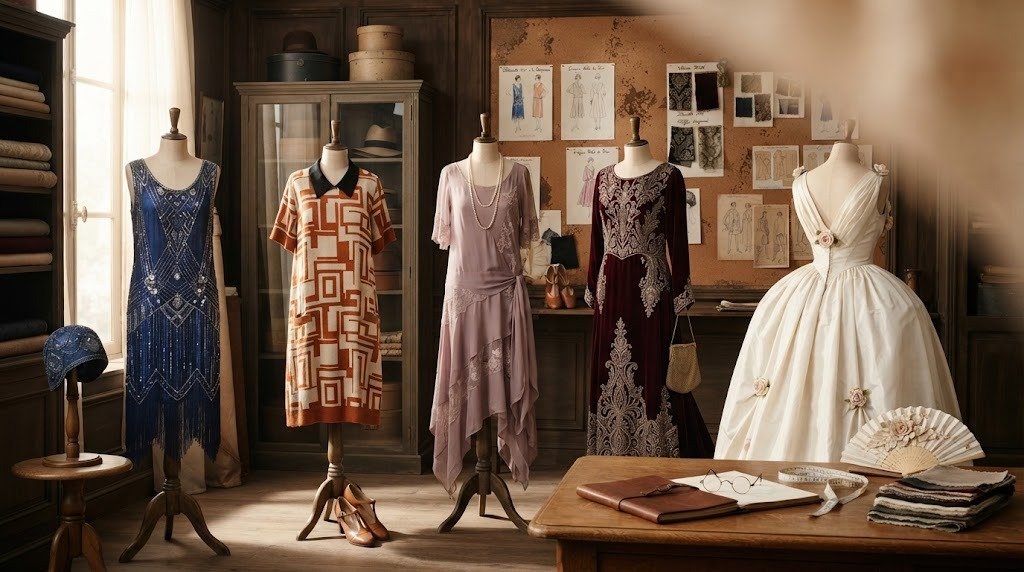
Start by choosing a specific year and occasion. Then research the appropriate silhouette waist placement hemline fabric decoration and accessories. Compare modern patterns or costumes with surviving museum garments and period photographs.
Avoid assuming that every 1920s dress needs to be short, heavily beaded or covered in fringe.
Every 1920s dress was a flapper dress.
False. Flapper fashion was only one part of women’s clothing.
All dresses had dropped waists.
The dropped waist was important but silhouettes varied by designer year and garment.
Every dress was heavily decorated.
Eveningwear could be highly decorated but many day dresses were relatively simple.
1920s fashion looked the same throughout the decade.
No. Styles changed from the early 1920s through the end of the decade.
Modern flapper costumes are historically exact.
Not necessarily. Many combine different period elements for a recognizable vintage appearance.
Conclusion
1920s dresses were much more diverse than the familiar flapper image suggests. The decade included simple day dresses, tubular eveningwear decorated gowns, chemise silhouettes and fuller robe de style dresses.
The most important changes included simpler construction, dropped waistlines, changing hemlines, new decorative techniques and clothing designed for modern social and leisure activities.
For accurate research or recreation identify the year occasion silhouette fabric and decorative details before choosing a dress. This approach gives a more realistic picture of 1920s fashion than relying on the modern stereotype of one universal flapper dress.
FAQs
What is the most iconic 1920s dress style?
The flapper dress is the most recognizable, usually associated with a dropped waist straight silhouette, shorter hemline and decorative details.
What did 1920s dresses look like?
Many had straighter silhouettes and lower waistlines than earlier fashions but styles ranged from simple day dresses to elaborate evening gowns.
Were all 1920s dresses short?
No. Hemlines changed throughout the decade and early 1920s dresses could be considerably longer than later styles.
What is a robe de style dress?
A robe de style is a 1920s style associated particularly with Jeanne Lanvin. It combined a dropped waist with a fuller skirt.
What fabrics were used for 1920s dresses?
Common fabrics included silk cotton wool rayon velvet chiffon lamé and georgette.
How can I make a 1920s dress historically accurate?
Choose a specific year and occasion then research the appropriate silhouette fabric construction decoration and accessories using period photographs and museum collections.

 By
By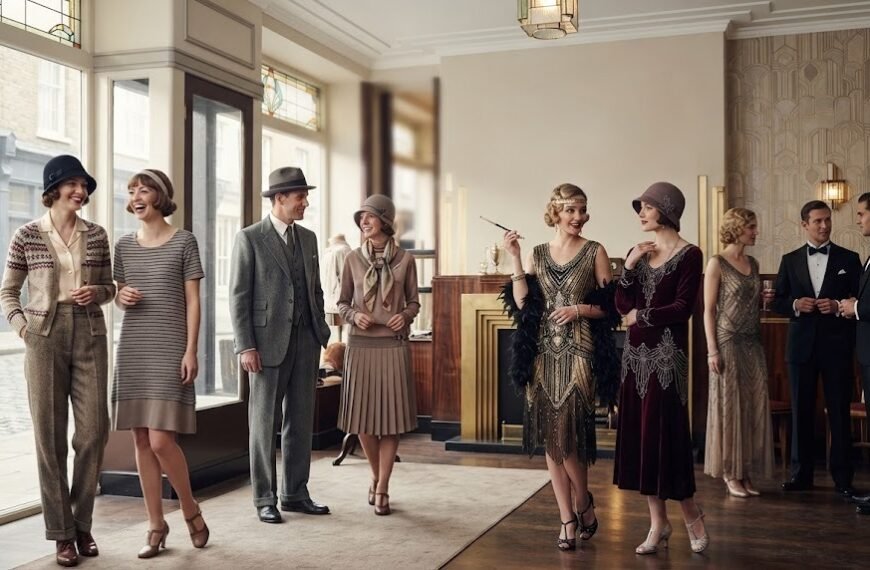

 By
By

 By
By