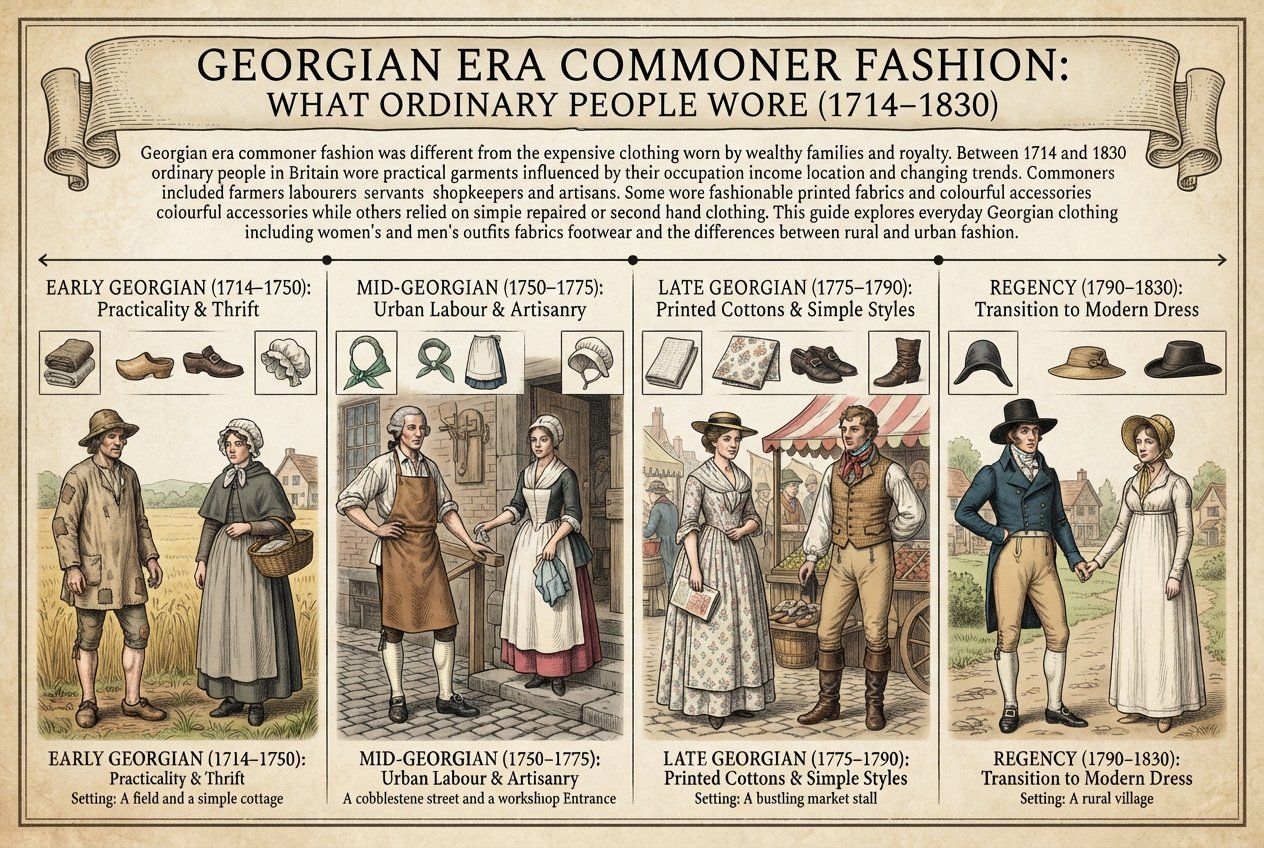

Georgian era commoner fashion was different from the expensive clothing worn by wealthy families and royalty. Between 1714 and 1830 ordinary people in Britain wore practical garments influenced by their occupation income location and changing trends.
Commoners included farmers labourers servants shopkeepers and artisans. Some wore fashionable printed fabrics and colourful accessories while others relied on simple repaired or second hand clothing.
This guide explores everyday Georgian clothing including women’s and men’s outfits fabrics footwear and the differences between rural and urban fashion.
What Was Georgian Era Commoner Fashion?
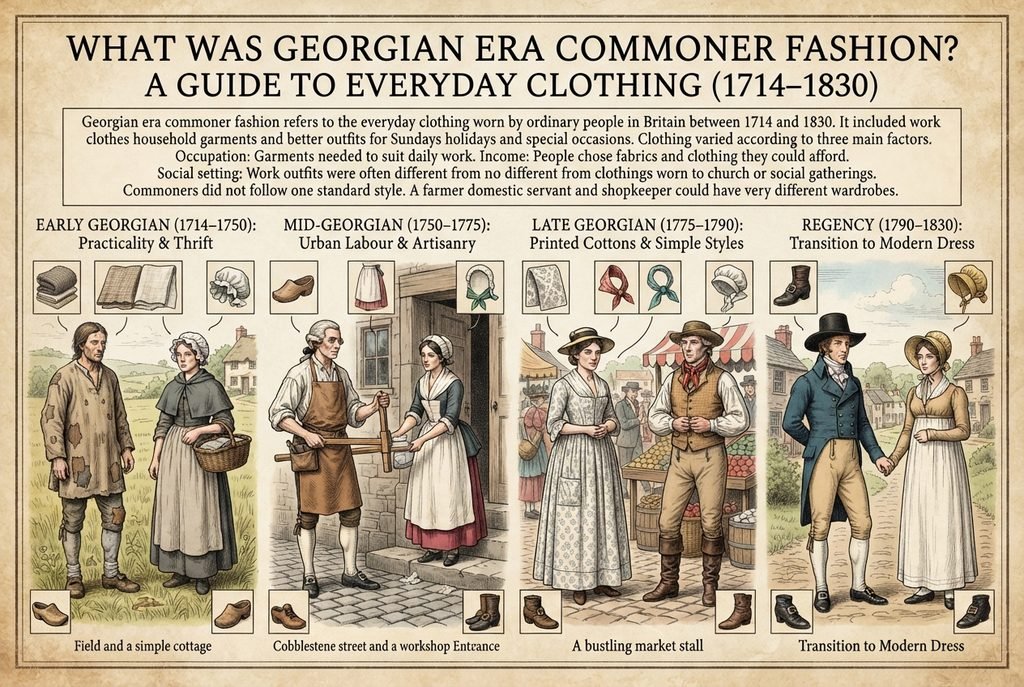
Georgian era commoner fashion refers to the everyday clothing worn by ordinary people in Britain between 1714 and 1830. It included work clothes household garments and better outfits for Sundays holidays and special occasions.
Clothing varied according to three main factors
- Occupation Garments needed to suit daily work.
- Income People chose fabrics and clothing they could afford.
- Social setting Work outfits were often different from clothing worn to church or social gatherings.
Commoners did not follow one standard style. A farmer domestic servant and shopkeeper could have very different wardrobes.
What Did Georgian Commoner Women Wear?
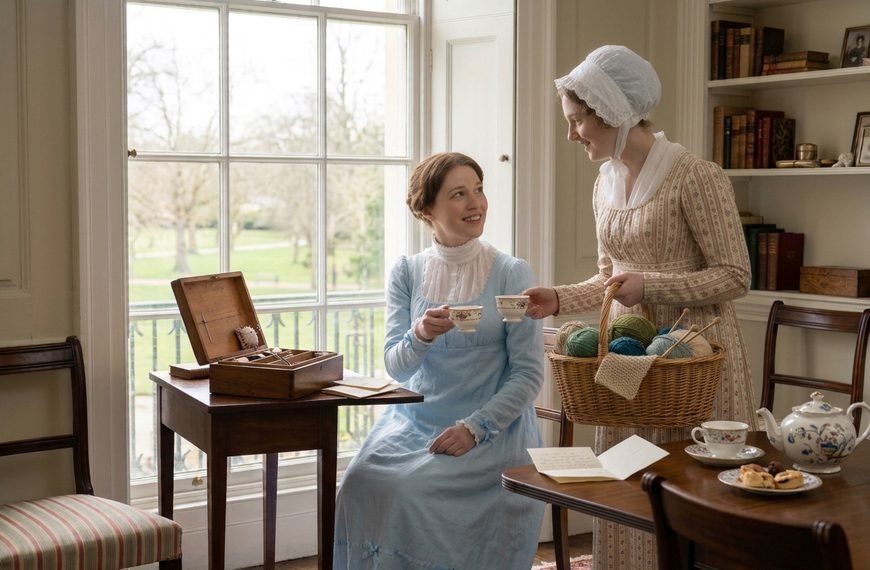
Women commonly wore layered outfits consisting of a shift petticoat and gown or jacket. Aprons handkerchiefs and practical outerwear completed many everyday outfits.
Shifts and Petticoats
A shift was a basic linen garment worn next to the body beneath other clothing. It protected outer garments and could be washed regularly.
Petticoats were worn beneath gowns or with shorter garments such as bedgowns. Women could combine different pieces to create practical outfits rather than owning many complete dresses.
Gowns and Bedgowns
Gowns were important parts of women’s clothing while bedgowns were shorter practical garments often worn with petticoats.
Bedgowns became familiar in working class women’s clothing during the later eighteenth century. Their simpler construction made them suitable for everyday activities.
Aprons and Handkerchiefs
Aprons protected clothing during cooking cleaning and market work. Handkerchiefs or neckerchiefs provided additional coverage and could add colour or decoration.
These practical garments were not always plain. Some featured attractive fabrics and decorative details.
What Did Georgian Commoner Men Wear?
Commoner men commonly wore shirts waistcoats breeches coats stockings and leather shoes or boots. Their outfits depended on their work income and the weather.
Shirts Waistcoats and Coats
Linen shirts were worn beneath waistcoats and coats. Waistcoats provided another layer and could be made from wool cotton or other available fabrics.
Working men often preferred durable coats and jackets suitable for daily activities. Wealthier men could afford more decorative versions.
Breeches and Trousers
Knee breeches were common throughout much of the eighteenth century. Men usually wore them with stockings and shoes.
By the end of the Georgian period longer trousers were becoming more popular although breeches continued to be worn in some settings.
Hats and Accessories
Men’s accessories included hats handkerchiefs leather belts and gloves. Some also wore wigs during earlier Georgian decades.
Which Fabrics Were Used in Georgian Commoner Clothing?
Fabric choice depended on affordability availability and the purpose of a garment. Linen wool cotton and leather were important materials.
| Material | Common Uses |
| Linen | Shirts shifts and undergarments |
| Wool | Coats cloaks and warm clothing |
| Cotton | Gowns waistcoats and printed garments |
| Worsted wool | Practical clothing and stockings |
| Leather | Shoes boots and some garments |
| Hemp and coarse linen | Basic household and work clothing |
Printed cotton became increasingly popular during the later eighteenth century because it offered colourful patterns without the cost of expensive silk.
Fabric quality varied according to income. Wealthier families could afford finer materials and decoration while working people often prioritised durability.
What Footwear Did Ordinary Georgian People Wear?
Ordinary Georgian people commonly wore leather shoes boots and stockings. Their footwear depended on their occupation and daily activities.
People working outdoors needed durable shoes suitable for walking and physical tasks. Some women also owned shoes with fabric uppers while men commonly wore leather shoes and boots.Shoes could be expensive to replace so people often tried to maintain and repair them.
What Accessories Completed Georgian Commoner Outfits?
Accessories were often practical but could also reflect personal taste and changing fashion.
Women’s accessories included
- Caps Worn indoors by many women.
- Straw hats Useful for outdoor activities.
- Cloaks Provided warmth and coverage.
- Aprons Protected clothing during work.
- Handkerchiefs Covered the neck and added decoration.
Men commonly wore hats gloves handkerchiefs and leather belts. The quality of these accessories often reflected a person’s financial circumstances.
How Did Rural and Urban Commoner Fashion Differ?
Rural and urban clothing reflected different occupations local traditions and access to clothing markets. However both groups followed fashion trends when possible.
| Feature | Rural Clothing | Urban Clothing |
| Main influences | Farming and outdoor work | Trade and city occupations |
| Garments | Gowns petticoats coats and cloaks | Gowns jackets waistcoats and coats |
| Fabrics | Wool linen and printed textiles | Linen wool and cotton |
| Accessories | Aprons hats and cloaks | Hats caps and aprons |
Some country women wore distinctive red woollen cloaks which became recognisable in historical descriptions and images.
Urban workers including shopkeepers market sellers and servants also needed practical clothing suited to their daily responsibilities.
How Did Occupation Influence Georgian Commoner Clothing?
Occupation affected the materials construction and style of everyday garments.
- Farmers and agricultural workers Needed durable clothing practical shoes hats and outerwear for outdoor activities.
- Domestic servants Commonly wore gowns aprons and caps. Some households provided clothing or livery although uniforms were not universal.
- Market sellers and shopkeepers Used aprons and practical garments suitable for handling goods and serving customers.
- Artisans and skilled workers Wore clothing suited to workshops and physical tasks often prioritising durability.
People could also keep better outfits for social occasions rather than wearing their finest garments during work.
Did Georgian Commoners Follow Fashion Trends?
Yes. Ordinary people followed fashionable styles when their budgets allowed. Printed cotton gowns straw hats and bedgowns were among the garments associated with changing tastes.
Working class people could adapt popular colours shapes and accessories without purchasing expensive versions.
Fashion also moved between social groups. Some garments associated with everyday or lower class clothing including aprons and trousers were adopted by fashionable society.
This shows that Georgian fashion was influenced by ordinary people as well as wealthy families.
How Did Commoners Buy Reuse and Repair Their Clothes?
Clothing was valuable so ordinary families often tried to make garments last longer. Buying a completely new outfit was not always affordable.
Common practices included
- Repairing worn garments with patches and stitching.
- Altering old clothing or reusing its fabric.
- Buying second hand garments.
- Passing clothing between family members.
- Saving better outfits for Sundays and special occasions.
The Royal Collection Trust notes that clothing was recycled even within royal households and that Georgian Britain had an active second hand clothing market.
These practices help explain why surviving expensive garments do not represent the complete history of everyday dress.
How Can Historians Identify Georgian Commoner Clothing?
Historians use surviving garments paintings prints and written records to understand what ordinary people wore.
| Historical Evidence | What It Reveals |
| Surviving garments | Fabric stitching and construction |
| Paintings and portraits | Clothing combinations and appearance |
| Satirical prints | Social attitudes and fashion differences |
| Written records | Clothing purchases and inventories |
| Fashion illustrations | Popular styles and fashionable ideals |
Portraits often show people wearing their best clothing so they may not represent everyday work outfits. Museum collections and written records provide additional evidence.
What Was the Difference Between Georgian Commoner and Upper Class Fashion?
The main differences were often the cost quality and quantity of clothing. Commoners and wealthy people sometimes wore similar garment types but their fabrics and decoration could be very different.
| Feature | Commoner Clothing | Upper Class Clothing |
| Fabrics | Linen wool and cotton | Fine silk brocade and velvet |
| Decoration | Usually simpler | Often included lace and embroidery |
| Wardrobe | Limited and carefully maintained | More outfits for different occasions |
| Footwear | Practical shoes and boots | Often more expensive and decorative |
| Clothing use | Frequently adapted for work | More options for formal and leisure wear |
These differences were not absolute. Some working families owned fashionable outfits while wealthy people also wore practical everyday clothing.
What Is the Difference Between Georgian Commoner and Regency Commoner Fashion?
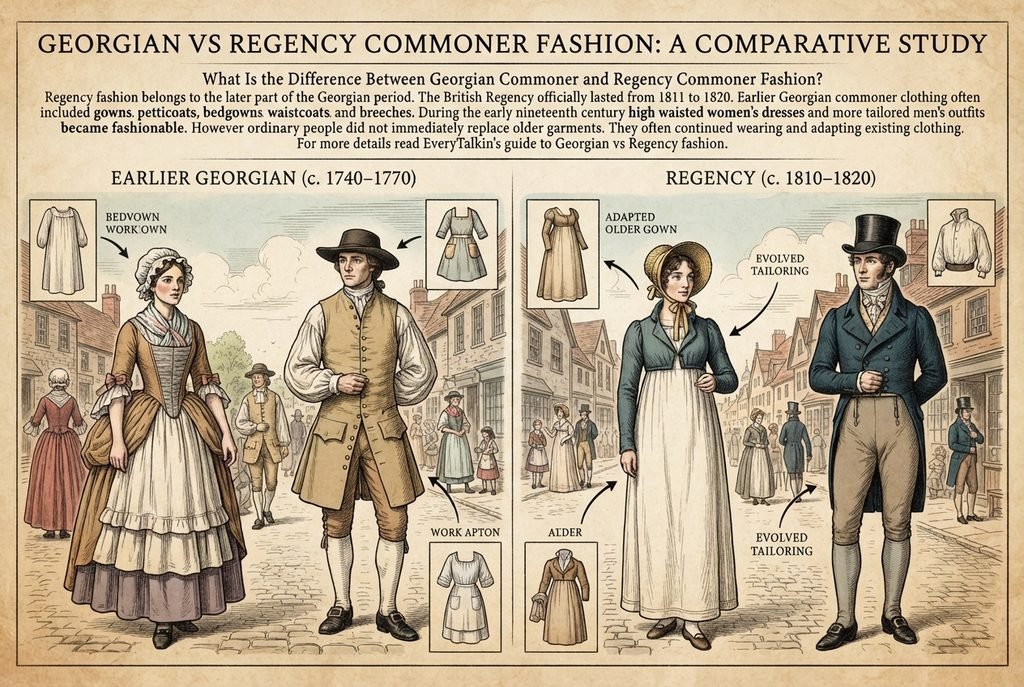
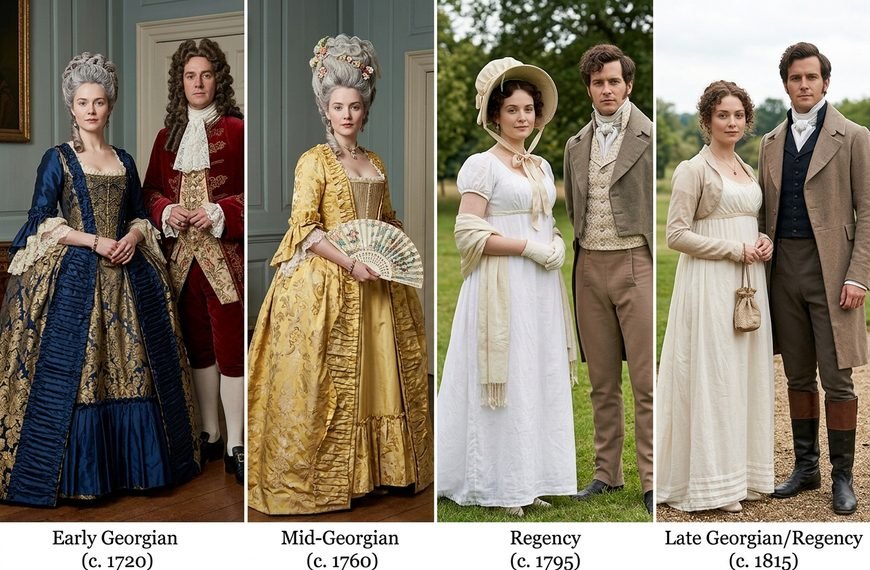
Regency fashion belongs to the later part of the Georgian period. The British Regency officially lasted from 1811 to 1820.
Earlier Georgian commoner clothing often included gowns petticoats bedgowns waistcoats and breeches. During the early nineteenth century high waisted women’s dresses and more tailored men’s outfits became fashionable.
However ordinary people did not immediately replace older garments. They often continued wearing and adapting existing clothing. For more details read EveryTalkin’s guide to Georgian vs Regency fashion.
Conclusion
Georgian era commoner fashion was practical varied and influenced by changing trends. Ordinary people wore clothing suited to their work and financial circumstances while adopting fashionable fabrics and accessories when possible.
Everyday garments repaired textiles and second hand clothing reveal a broader picture of how ordinary people dressed between 1714 and 1830.
FAQs
What did poor people wear in the Georgian era?
People with limited incomes often wore practical linen wool and cotton garments. Women’s outfits included shifts petticoats bedgowns and aprons while men commonly wore shirts breeches waistcoats and coats.
Did Georgian commoners wear fashionable clothes?
Yes. Common people followed fashion trends when they could afford to. Printed cotton gowns hats and fashionable garment shapes were not limited to wealthy families.
What did Georgian peasant women wear?
Rural women could wear shifts petticoats gowns bedgowns aprons and caps. Outdoor outfits might include hats and woollen cloaks depending on local traditions and available materials.
What fabrics did Georgian working class people use?
Linen and wool were important materials while cotton became increasingly popular for dresses and other garments. Leather was also used for shoes and boots.
Did Georgian commoners wear corsets?
Some working class women wore stays although their construction and quality varied. Stays supported and shaped the upper body and were not exclusive to wealthy women.
Did Georgian people buy second hand clothes?
Yes. Second hand clothing was an important part of Georgian life. People purchased used garments repaired damaged clothing reused fabric and sometimes sold clothes when they needed money.
What is the difference between Georgian peasant fashion and commoner fashion?
Peasant fashion generally refers to clothing associated with rural agricultural communities. Commoner fashion is broader and also includes servants artisans shopkeepers and labourers.

 By

 By