
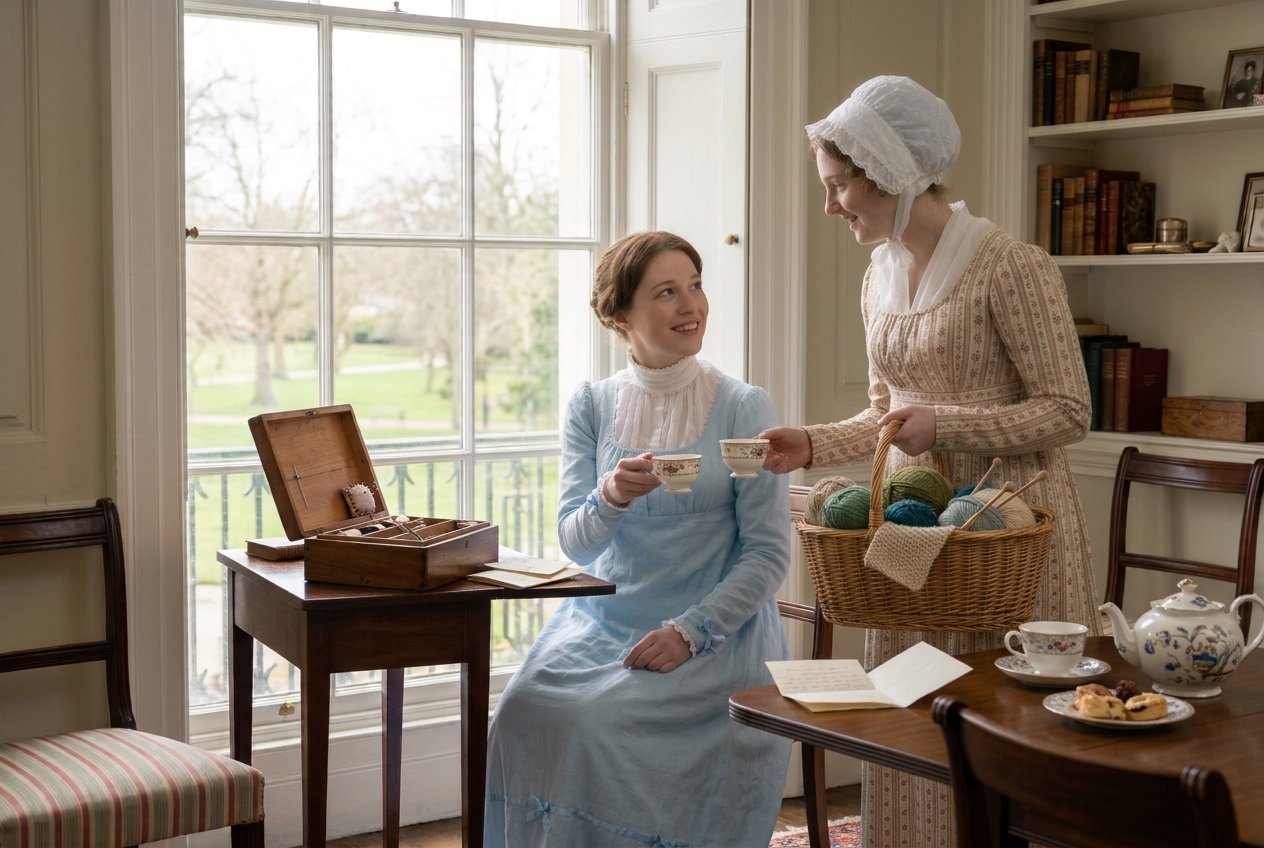

Regency morning dress refers to womens clothing worn during the morning in the late eighteenth and early nineteenth centuries. It was not one fixed design but included different outfits for indoor activities and outdoor visits.
Indoor dresses were generally simpler while walking outfits included additional items such as bonnets gloves and outerwear. Fabrics sleeves waistlines and accessories also changed throughout the Regency period.
What Was a Regency Morning Dress?
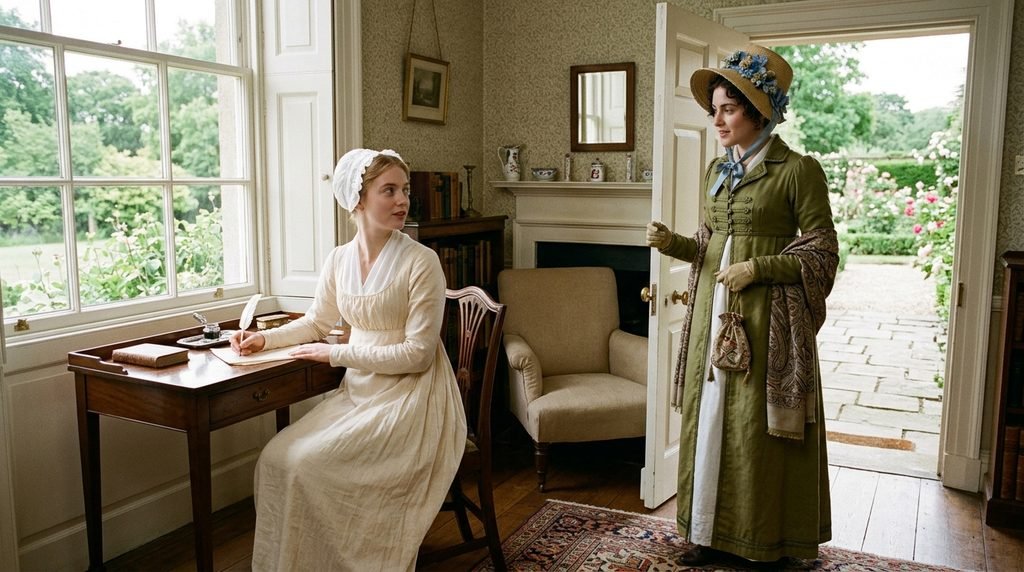
A Regency morning dress was a daytime outfit worn by women during morning activities. These included having breakfast reading writing letters sewing or spending time at home.
The term described the purpose and time of wearing the clothing rather than one particular design. Some dresses were simple while others featured lace embroidery ribbons and decorative borders.
What Was the Difference Between Indoor and Outdoor Morning Dress?
Regency morning clothing included indoor outfits and outdoor walking ensembles. The main difference was their purpose and the additional garments required for going outside.
| Feature | Indoor Morning Dress | Morning Walking Dress |
| Purpose | Activities at home | Walking and outdoor visits |
| Appearance | Usually simple | More complete outfit |
| Headwear | Caps | Bonnets or hats |
| Accessories | Simple decorations | Gloves and shawls |
| Outerwear | Not always needed | Spencer jackets or pelisses |
An indoor dress could sometimes be adapted for outdoor use by adding a bonnet and suitable outerwear.
What Did a Regency Morning Dress Look Like?
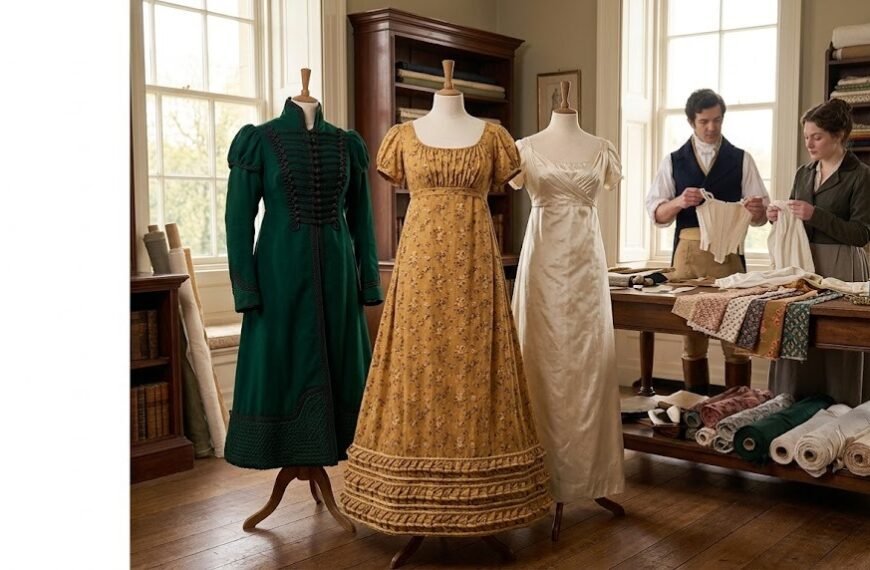
A Regency morning dress commonly featured a raised waistline a long skirt and relatively simple decoration. Its appearance varied according to the year and occasion.
Important features included
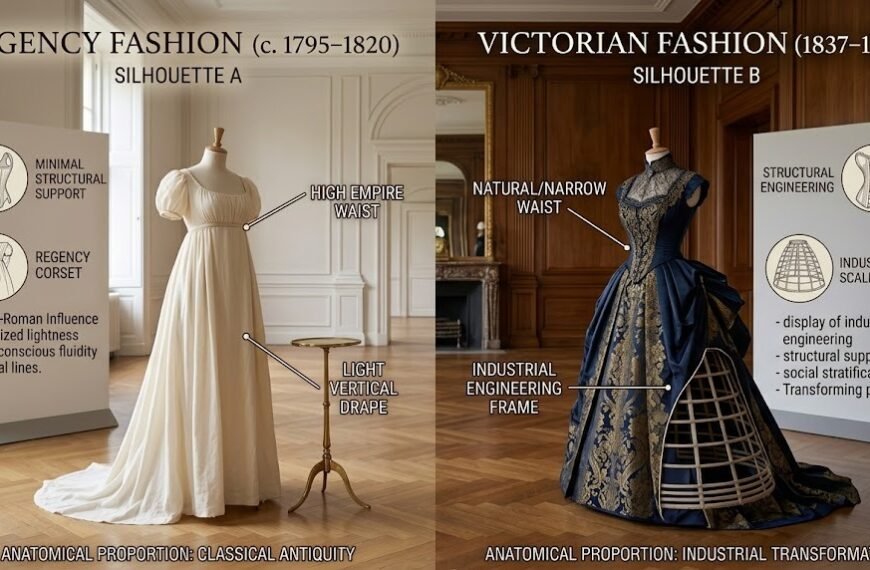
- Empire waistline The waist sat just below the bust creating a long silhouette.
- High neckline Many daytime dresses had higher necklines than evening gowns.
- Long sleeves Long sleeves were common although their shapes changed over time.
- Decorative details Lace ribbons embroidery and tucks added interest.
- Long skirts Skirts generally flowed from the raised waistline.
Not every dress included all these features as Regency fashion changed throughout the period.
Which Fabrics and Colours Were Used?
Cotton muslin was popular in fashionable Regency clothing but women also wore linen cambric silk and printed materials.
| Fabric or colour | Common use |
| White muslin | Lightweight daytime gowns |
| Linen | Morning dresses and everyday clothing |
| Cambric | Fine lightweight garments |
| Silk | Dresses and outerwear |
| Coloured fabrics | Decorative and daytime outfits |
White was recognizable in Regency fashion but it was not the only colour worn. Historical descriptions also mention coloured garments and patterned fabrics.
What Accessories Completed a Regency Morning Outfit?
Accessories helped make morning clothing suitable for indoor activities or outdoor visits. Common examples included
- Mob caps Soft head coverings often worn indoors.
- Bonnets Headwear used for outdoor activities.
- Fichus Lightweight fabric worn around the neck and shoulders.
- Chemisettes Garment inserts that provided additional neckline coverage.
- Gloves Common accessories for public daytime outfits.
- Shawls Used for warmth and decoration.
- Spencer jackets and pelisses Outer garments worn over dresses.
- Parasols Accessories sometimes carried outdoors.
These items were not necessarily worn together. Their use depended on the outfit and occasion.
What Did The Mirror of the Graces Reveal About the Morning Dress?
The Mirror of the Graces published in 1811 provides useful information about Regency morning clothing.
It describes one outfit with a jacket and petticoat lace details a cap gloves and a scarf. Another example features a white muslin gown with a decorative border collar and brooch.
These descriptions show that morning clothing included different combinations of garments and accessories rather than only plain white dresses.
How Did Regency Morning Dress Change Over Time?
Regency clothing changed gradually during the early nineteenth century. Early fashionable dresses often had simple silhouettes and limited decoration.
Later styles included fuller sleeves more decorative hems and changes in waistline position. Outer garments and bonnet designs were also developed.
These changes varied by year and garment so historical fashion illustrations and surviving clothing are useful when studying a specific period.
How Was Morning Dress Different from Afternoon and Evening Dress?
Morning afternoon and evening outfits served different purposes. Their formality decoration and accessories often reflected the occasion.
| Dress type | Main purpose | Common features |
| Morning dress | Morning activities | Relatively simple clothing |
| Walking dress | Outdoor activities | Bonnets gloves and outerwear |
| Afternoon dress | Social visits | More carefully styled outfits |
| Evening dress | Formal events | More decorative fabrics and lower necklines |
These categories were not strict rules. Clothing varied according to the occasion personal circumstances and changing fashion.
What Is the Difference Between Historical and Modern Regency Morning Dress?
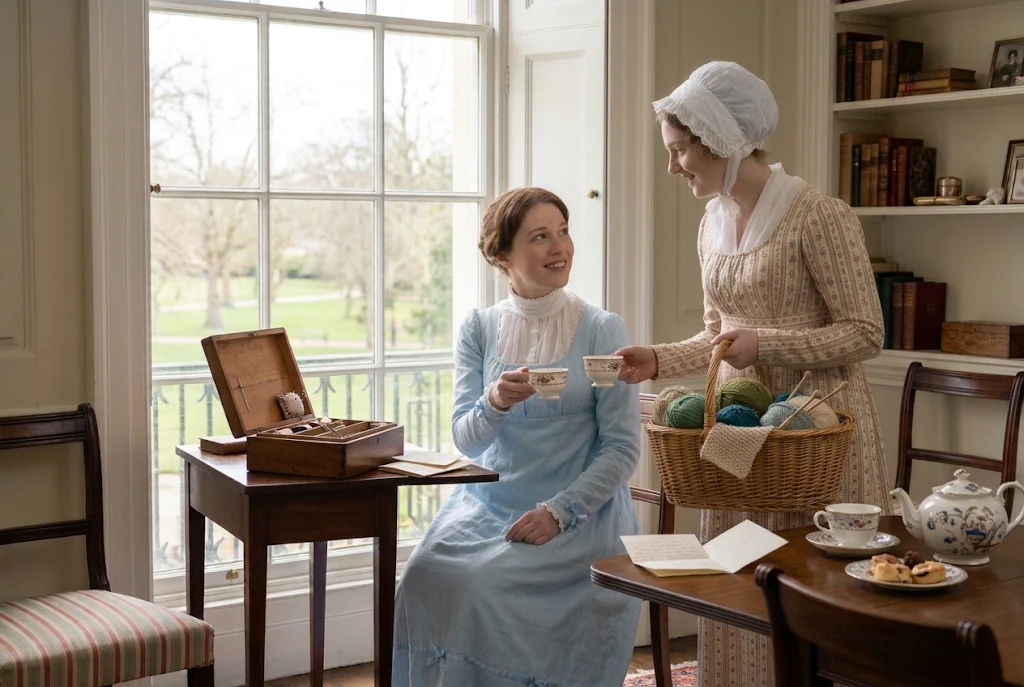
Historical Regency clothing is based on garments and fashion evidence from the early nineteenth century. Modern Regency inspired outfits borrow these features but use contemporary materials and construction.
| Feature | Historical Dress | Modern Inspired Outfit |
| Waistline | Raised Empire waist | Empire style waist |
| Fabrics | Muslin linen cotton and silk | Modern cotton chiffon and other fabrics |
| Construction | Period specific methods | Contemporary sewing |
| Accessories | Caps bonnets and shawls | Modern historical inspired accessories |
Modern period dramas can introduce audiences to Regency fashion but their costumes should not automatically be considered historically accurate.
Conclusion
Regency morning dress included different outfits for indoor activities and outdoor visits. Muslin gowns linen dresses caps bonnets gloves and outerwear all contributed to these styles. Historical publications and surviving garments help explain how morning clothing developed during the Regency period.
FAQs
What does Regency morning dress mean?
Regency morning dress refers to womens clothing worn during morning hours in the late eighteenth and early nineteenth centuries. It included indoor outfits and outdoor walking ensembles.
Were Regency morning dresses always white?
No. White muslin was popular but historical clothing also included coloured fabrics printed materials and decorative borders.
What did women wear over a Regency morning dress?
For outdoor activities women could wear Spencer jackets pelisses or mantles over their dresses.
Did Regency women wear caps indoors?
Caps were common in historical illustrations of indoor morning clothing. Some were made from muslin or lace and decorated with ribbons.
What is the difference between morning and walking dress?
Morning dress could refer to indoor clothing while walking dress was designed for outdoor activities and generally included a bonnet gloves and outerwear.
What fabrics were used for Regency morning dresses?
Cotton muslin linen and cambric were used for many daytime garments. Silk and printed cotton also appeared in early nineteenth century clothing.

 By

 By