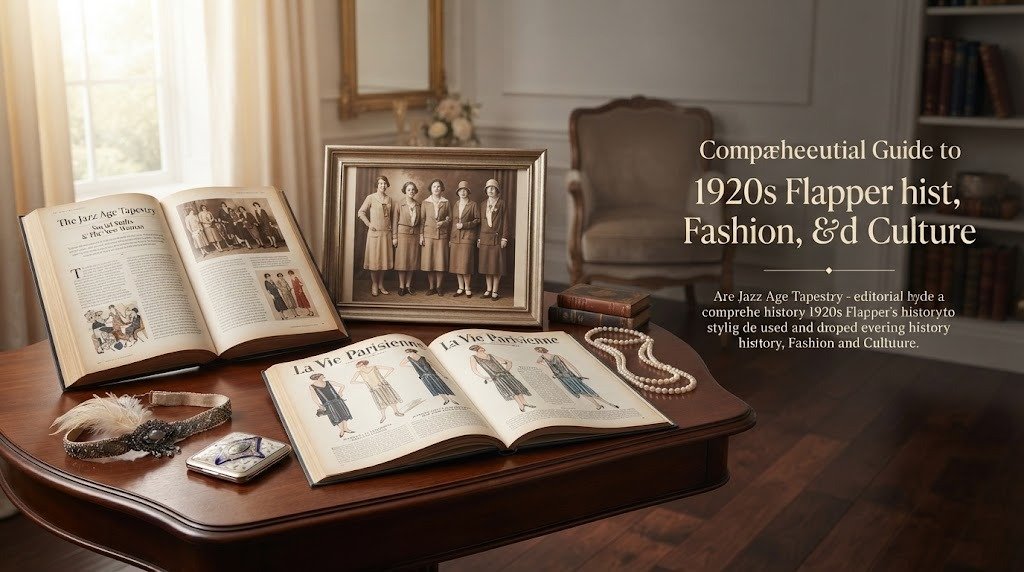

The word flapper brings to mind bobbed hair beaded dresses, jazz music and the lively culture of the 1920s. But a flapper was more than a fashion trend. The term became associated with young women who challenged traditional ideas about clothing, entertainment and independence.
Flapper fashion featured straight silhouettes, dropped waistlines and decorative eveningwear. However not every woman followed this style and everyday clothing was much more varied.
This guide explores flapper history, fashion beauty accessories and the social changes behind this famous image.
What Was a Flapper in the 1920s?
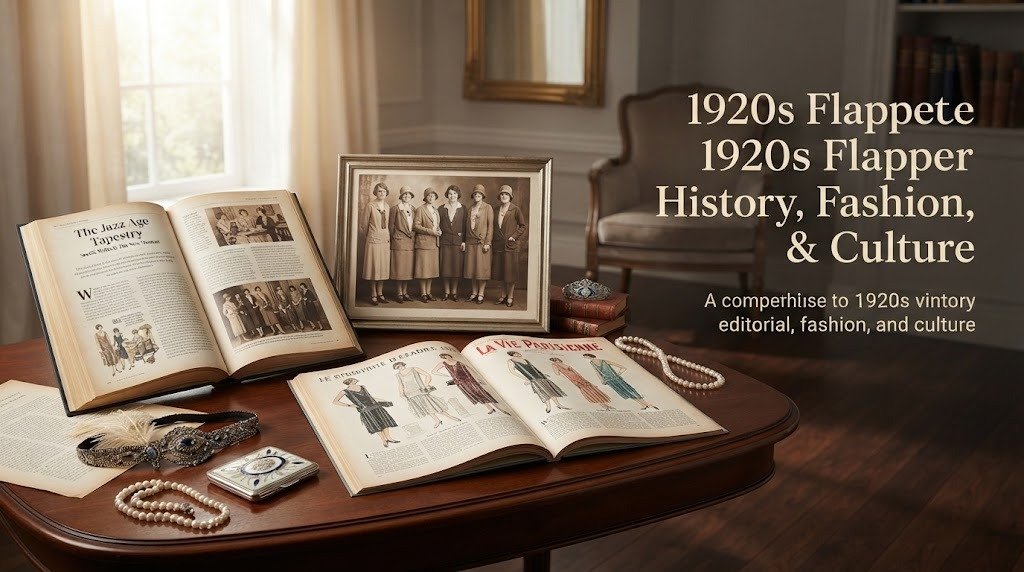
flapper
A flapper was a young woman associated with modern fashion and changing social attitudes during the 1920s particularly in the United States and Britain. The image was linked with short hair fashionable clothing makeup dancing and behavior that challenged older expectations.
The term existed before the 1920s but became closely connected with the Jazz Age after the First World War. Some women embraced the lifestyle associated with flappers while others adopted only parts of the fashion.
The flapper was a cultural image not a description of every young woman. Age income , location, race, work and personal beliefs shaped women’s experiences differently.
Why Did Flappers Become Popular?
The flapper emerged during a period of major social change. After the First World War cities entertainment consumer products and mass media influenced how people dressed and spent their free time.
In the United States the 19th Amendment was ratified in 1920 prohibiting the denial of voting rights on the basis of sex. However many women, particularly Black women in the South, continued to face discriminatory barriers to voting.
Automobiles films magazines advertising and recorded music helped spread new fashions and ideas. Jazz and dancing became important parts of popular entertainment while changing clothing styles offered greater freedom of movement.
These developments helped create the image of the modern independent young woman although traditional social expectations and discrimination remained.
What Does the Word “Flapper” Mean?
The exact origin of flapper remains uncertain. Some theories connect it with loose galoshes that flapped while walking or floppy hair bows worn by young girls. These explanations are possibilities not proven facts.
The term appeared in popular culture before becoming strongly associated with fashionable young women during the 1920s. The 1920 film The Flapper starring Olive Thomas is one example of its early use in entertainment.
During the Jazz Age newspapers and magazines used the word in different ways. Some writers celebrated flappers as modern and fashionable while others criticized their behavior. This helped the term become a lasting symbol of changing attitudes toward women.
What Did Flapper Fashion Look Like?
Flapper fashion is best known for its relatively straight shape, dropped waistline and decorative eveningwear. Dresses could feature beads, sequins , embroidery or fringe while cloche hats, long necklaces, stockings and strap shoes completed some outfits.
Not every dress had these details. Some women preferred simple clothing while others wore fuller styles such as the robe de style. Fashion also depended on the occasion, income and personal taste.
Dresses Waistlines and Hemlines
Many fashionable dresses moved attention away from the natural waist by placing the waistline lower around the hips. This created a straighter silhouette than some earlier styles.
Hemlines changed throughout the decade so not every 1920s dress was extremely short. Evening dresses could be highly decorated while day dresses were often simpler and more practical.
Explore the guide to 1920s dresses for more information about period silhouettes, fabrics and dress styles.
Fabrics and Decoration
Silk satin chiffon velvet beads and embroidery appeared in fashionable clothing particularly eveningwear. Fringe and sequins added movement and reflected light during dancing.
However, elaborate clothing was not available to everyone. Massproduced garments, homemade clothes, workwear and simpler day dresses were also important parts of women’s wardrobes.
Were All 1920s Dresses Flapper Dresses?
No. Flapper dresses were only one part of 1920s women’s fashion. Women wore day dresses, sportswear work clothes coats, knitwear, formal gowns and other styles. Clothing choices depended on occupation, income location and personal preference.
A wealthy woman attending evening parties might wear a decorated dress while a working woman might prioritize practical clothing. The flapper image captures one part of the decade, not the whole experience of women in the 1920s.
Which Hairstyles Were Associated With Flappers?
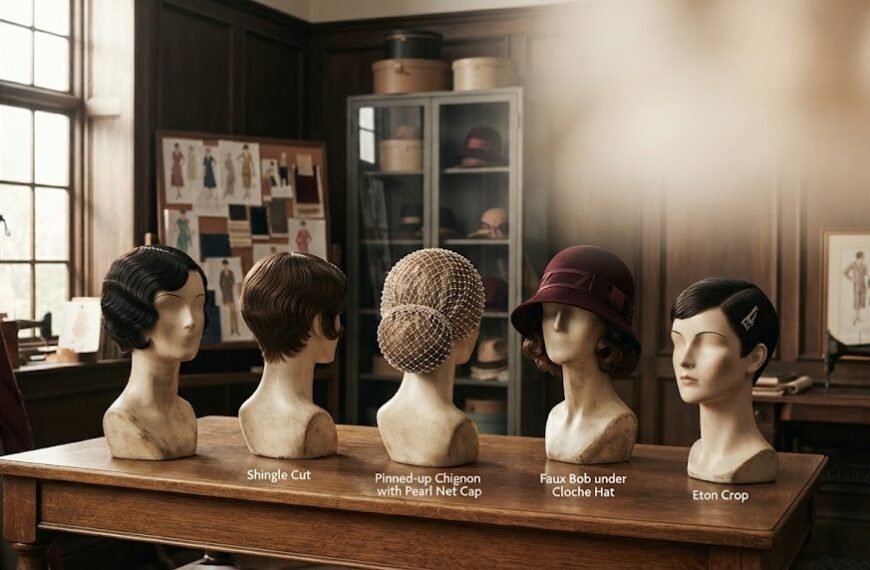
The bob became one of the most recognizable hairstyles associated with flapper fashion. Hair was cut around the head often near the ears or jaw and some styles included a fringe. Finger waves and carefully arranged curls were also popular.
Actresses such as Clara Bow and Louise Brooks helped spread the image through films and publicity. However not every woman cuts her hair short.
For a historically inspired look choose a hairstyle that fits the period and works with the clothing rather than assuming all flappers had the same haircut.
What Accessories Did Flappers Wear?
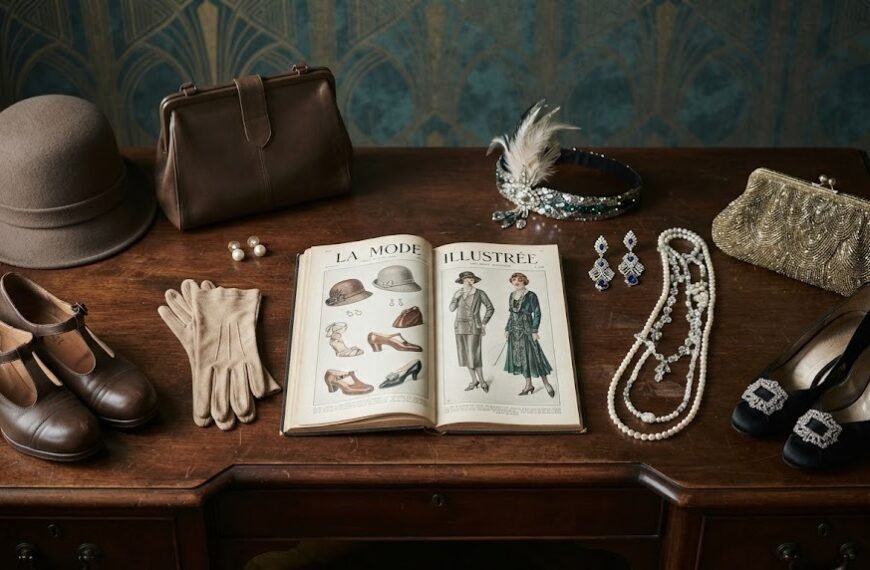
Accessories added detail and helped complete the outfit. Common examples included cloche hats, long pearl or beaded necklaces, earrings, bracelets , small evening bags and decorative shoes.
Mary Jane’s strap shoes, pumps and other strap styles were worn with fashionable outfits. The right choices depended on the dress and the occasion.
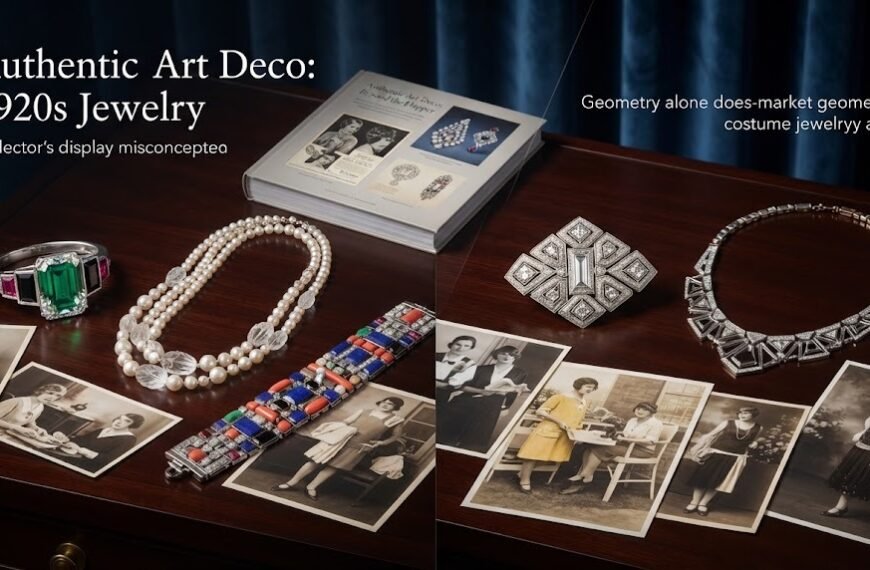
Jewelry is especially useful for understanding the decade’s design trends. Read the related guide to 1920s jewelry for more about pearls geometric designs and Art Deco influences.
How Did Makeup Fit Into Flapper Style?
Makeup became more visible in popular images of the 1920s. Lipstick rouge shaped eyebrows and dark eye makeup were associated with the fashionable modern woman.
Films, advertisements and magazines helped spread these beauty styles but makeup habits varied. Some women wore noticeable makeup while others used little or none.
Modern costumes sometimes exaggerate the look. Period photographs and advertisements offer better references for understanding how makeup was presented at the time.
Why Were Jazz and Dancing Important?
Jazz and dancing played a major role in the flapper image. The Charleston became one of the best-known dances of the decade while the Black Bottom was also popular.
Loose clothing allowed easier movement and decorative details such as fringe and beads could move with the dancer. These styles became part of the lively image associated with the Jazz Age.
Jazz culture also has important roots in African American communities. Understanding this background gives a fuller picture of the music and dancing associated with the period.
How Did Art Deco Influence Flapper Fashion?
Art Deco was a design movement that influenced architecture jewelry interiors and decorative arts during the 1920s and 1930s. Its designs often featured geometric shapes, symmetry , strong lines and carefully arranged decoration.
These ideas appeared in some jewelry and fashion accessories associated with the era. However Art Deco and flapper fashion are not the same thing. Art Deco is a wider design movement while flapper describes a cultural image connected with the period.
Which Designers Influenced Flapper Fashion?
No single designer created flapper fashion. Coco Chanel became known for modern relatively relaxed clothing. Jeanne Lanvin’s fuller robe de style dresses show that 1920s fashion was not limited to straight silhouettes.
Madeleine Vionnet became recognized for her approach to cutting and draping fabric while Jean Patou was associated with sportswear and leisure clothing.
Designer fashion was only one part of the story. Massproduced clothing, local shops, secondhand purchases and home sewing also shaped what women wore.
Was Flapper Style Only American?
No. The flapper became strongly associated with American popular culture but ideas about the modern woman also appeared elsewhere.
France used the term garçonne while Japan used moga for a modern girl. Paris, London and New York helped spread fashion through magazines, films, travel and commercial networks.
The meaning and appearance of the modern woman differed between countries. It is more accurate to recognize these international connections than to assume every country experienced an identical flapper movement.
How Did Movies and Magazines Shape the Flapper Image?
Films, magazines, newspapers and advertising helped turn the flapper into a recognizable cultural symbol. Clara Bow and Louise Brooks became closely associated with the fashionable image while writers such as F. Scott Fitzgerald helped connect the Jazz Age with modern life and entertainment.
Fitzgerald’s 1925 novel The Great Gatsby is a famous example of the period’s fictional world of wealthy parties and jazz. However it does not represent all everyday life in the 1920s.
Popular media show how flappers were presented but they do not prove that every woman dressed or behaved in the same way.
Did All Young Women Live Like Flappers?
No. Many women worked long hours, managed family responsibilities, lived outside major cities or chose more traditional clothing and lifestyles.
Income and location affected access to fashionable clothes and nightlife. Women also continued to face unequal opportunities discrimination and social restrictions. Voting rights did not remove every barrier to political participation or equality.
The flapper is important as a symbol of changing expectations but it should not be treated as a universal experience or proof that women had achieved full equality.
Why Did the Flapper Era Decline?
The flapper’s cultural prominence weakened toward the end of the 1920s and into the 1930s. The 1929 stock market crash and the Great Depression changed economic conditions making the luxury and nightlife associated with the Jazz Age less representative of everyday concerns.
Fashion and public attitudes also changed. The flapper gradually became associated with a particular historical period although some clothing styles and debates about women’s independence continued beyond the decade.
How Can You Create a Historically Inspired Flapper Look?
Start with the occasion and silhouette. For an evening look choose a straight or dropped waist dress with suitable decorative details. For a daytime outfit simpler clothing may be more appropriate.
Add accessories that match the outfit such as a cloche style hat, long necklace or period-inspired shoes. A bob or finger wave hairstyle can strengthen the historical look but it is not essential.
Use museum collections and period photographs to check the details. The aim is to create a consistent look from a particular time rather than combining every famous 1920s feature.
Flapper Fashion vs. Modern Flapper Costumes
Modern flapper costumes often exaggerate fringe sequins, feathered headbands and makeup to make the decade easy to recognize.
Real clothing was more varied. Some dresses were heavily decorated while others were simple. Accessories and hairstyles also differed according to personal taste and occasion.
A costume can work well for a themed event but historical styling requires more attention to the year silhouette fabric and social setting.
Common Misconceptions About Flappers
flapper
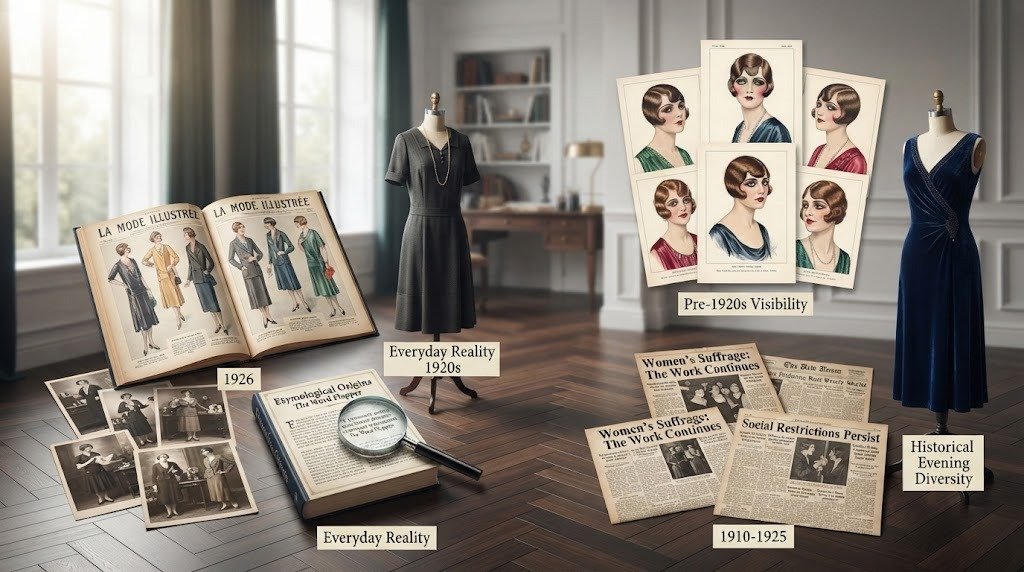
Every woman in the 1920s was a flapper. No. Women had different lifestyles, clothing choices and opportunities.
All flapper dresses were extremely short. No. Hemlines changed throughout the decade and many women wore practical day clothing.
Flappers invented short hair and makeup. No. These existed earlier. Their association with modern young women became more visible during the period.
The word’s origin is known for certain. No. Several theories exist but its precise origin remains uncertain.
Flappers achieved full equality for women. No. They symbolized changing attitudes but discrimination and social restrictions continued.
Conclusion
The flapper remains one of the most recognizable symbols of the 1920s because it brings together fashion entertainment and changing expectations for women. Dropped waist dresses, bobbed hair jewelry makeup and jazz era dancing helped shape the popular image.
However the real history was more varied than the stereotype. Women wore many types of clothing and experienced the decade differently depending on their circumstances.
Looking at period photographs everyday garments and contemporary newspapers gives a fuller understanding of flapper culture and its lasting influence on fashion.
FAQs
What is a flapper in simple terms?
A flapper was a young woman associated with modern fashion entertainment and changing social attitudes during the 1920s.
Why were women called flappers?
The word’s exact origin is uncertain. Theories involving loose galoshes, hair bows and earlier uses of the term have been suggested but none should be presented as proven.
What did flappers wear?
Flapper fashion is associated with relatively loose dresses, dropped waistlines, decorative eveningwear, cloche hats, long necklaces and strap shoes. Women also wore practical day dresses and other styles.
Did flappers wear short hair?
Many women associated with the flapper image wore bobbed hair but not every woman cut her hair short.
Were flappers considered rebellious?
Some people viewed flappers as rebellious because their clothing and social behavior challenged traditional expectations. Others saw the style as modern and fashionable.
Are flapper dresses the same as Art Deco fashion?
No. Flapper fashion describes a cultural style associated with the 1920s while Art Deco is a broader design movement. The two sometimes overlap in clothing and accessories.

 By
By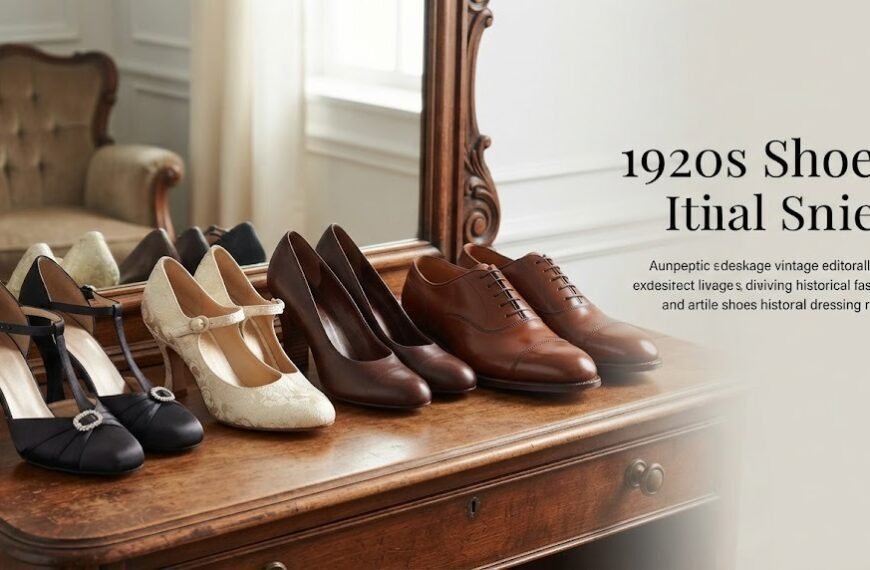

 By
By